

Executive Overview
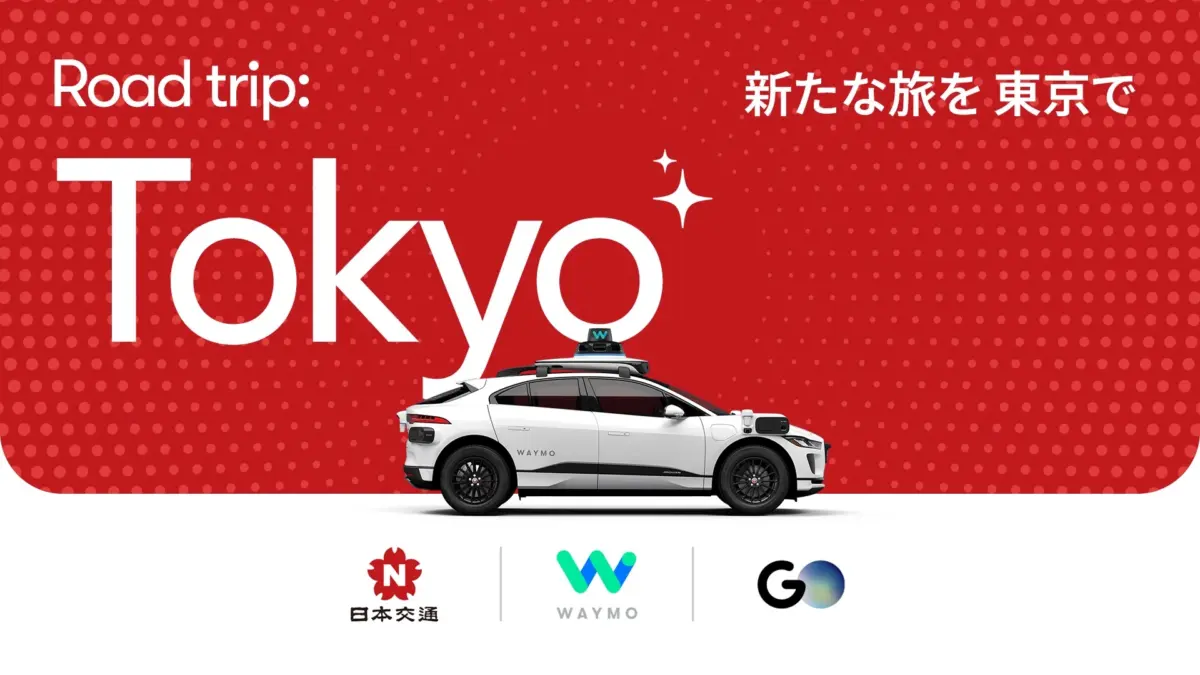
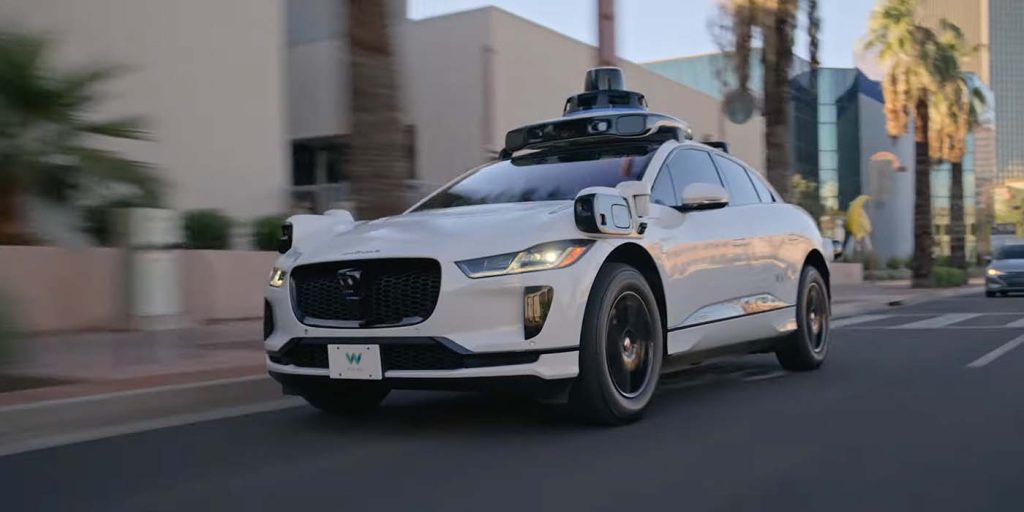
The autonomous vehicle landscape is undergoing a monumental shift as Alphabet’s self-driving pioneer, Waymo, officially crosses international borders for the first time. Beginning in early 2025, Waymo will deploy its signature fleet of all-electric Jaguar I-PACE vehicles onto the bustling, complex streets of Tokyo, Japan. This strategic overseas expansion marks a critical watershed moment not only for the company’s corporate trajectory but also for the broader commercialization of Level 4 autonomous driving technology on a global scale.
While domestic markets such as San Francisco, Los Angeles, Phoenix, and Miami have served as foundational testing and operating grounds, Tokyo presents an entirely different class of urban challenge. Characterized by labyrinthine layouts, high-density pedestrian traffic, distinct left-hand driving rules, and unique cultural driving nuances, the Japanese capital will serve as the ultimate proving ground for Waymo’s artificial intelligence driver.
This ambitious leap is made possible by high-profile local partnerships, including a strategic collaboration with prominent Japanese taxi operator Nihon Kotsu and integration with the ubiquitous GO taxi application. Furthermore, the move coincides with favorable regulatory updates in Japan—where national laws have been amended to accommodate Level 4 autonomous operations—and a burgeoning demographic necessity driven by the country’s aging population. Backed by a staggering $5.6 billion funding round secured late last year that catapulted its valuation beyond $45 billion, Waymo is positioning itself not merely as a domestic ride-hailing disruptor, but as an undisputed global titan in autonomous mobility.
Detailed Chronology: From Silicon Valley to the Streets of Shinjuku
The journey toward Waymo’s international debut in Tokyo has been meticulously orchestrated, built upon years of iterative software refinement, regulatory advocacy, and strategic alliance-building.

The Foundation and Domestic Scaling (2023–2024)
Over the past two years, Waymo transitioned from a heavily scrutinized experimental tech project into a commercial heavyweight. Following high-profile missteps and safety setbacks across the autonomous sector—most notably severe regulatory and public relations hurdles faced by domestic competitors—Waymo methodically established dominance through its Waymo One service. By late 2024, the company was successfully facilitating upwards of 150,000 paid passenger trips every single week across major American metropolitan hubs.
This operational momentum was supercharged in October 2024, when Alphabet and external investors injected a massive $5.6 billion into the autonomous driving unit. This capital infusion drove Waymo’s valuation past the $45 billion threshold, fueling rapid geographic expansion into southern markets like Miami, while solidifying an expanded commercial partnership with Uber.
Laying the Groundwork in Japan (Late 2024–Early 2025)
The genesis of the Tokyo project began taking formal shape late last year, culminating in the official December 2024 announcement of Waymo’s partnership with Nihon Kotsu and the GO taxi booking platform. Recognizing that deploying autonomous software in a foreign market requires deep localized expertise, Waymo structured its initial phase around comprehensive mapping and data collection.
In early 2025, the initial operational phase will officially commence. Specially equipped Jaguar I-PACE vehicles will hit the asphalt in key Tokyo commercial and residential districts, including:

- Minato
- Shinjuku
- Shibuya
- Chiyoda
- Chūō
- Shinagawa
- Kōtō
Crucially, these initial deployments will feature trained human safety drivers stationed behind the steering wheel. This manual oversight is designed to allow Waymo’s AI-powered software to absorb, process, and map the intricate geometry and dynamic flow of Tokyo’s streetscape without immediate safety risks. By leveraging both live road data and advanced simulation testing, Waymo engineers aim to evaluate how effectively their generalized driving stack can transition to left-side driving configurations and foreign urban semantics.
Supporting Context & Metrics: The Economics and Demographics of Tokyo
To understand why Waymo selected Tokyo as its maiden international voyage, one must examine the unique confluence of regulatory evolution, economic incentives, and demographic pressures currently shaping Japan’s transportation sector.
Regulatory Evolution and the Demographic Imperative
Japan has historically maintained some of the world’s strictest and most meticulously regulated transport frameworks. However, recognizing the potential for automated mobility to solve critical labor shortages, the Japanese government amended national legislation to formally permit Level 4 autonomous driving on public roads—a classification denoting vehicles capable of operating entirely on their own under specific conditions without human intervention.
Paradoxically, Japan boasts one of the most efficient, punctual, and comprehensive rail and subway networks on the planet. Yet, urban density and a rapidly aging population have created acute "last-mile" transportation challenges. As large segments of the elderly population relinquish their driver’s licenses for safety reasons, localized mobility options have dwindled. Robotaxis capable of offering reliable, door-to-door transit services are increasingly viewed by Japanese policymakers not as a novelty, but as a vital societal infrastructure asset for the decades ahead.
Financial Runway and Valuation Metrics
Waymo’s aggressive international expansion is underpinned by exceptional financial health relative to its industry peers. Key financial and operational metrics highlight the company’s current standing:
| Metric Category | Detail / Value |
|---|---|
| Recent Funding Round | $5.6 billion (secured October 2024) |
| Estimated Valuation | Exceeds $45 billion |
| Parent Company | Alphabet Inc. (Google) |
| Weekly Paid Trips | 150,000+ across U.S. markets |
| Primary Fleet Vehicle | Jaguar I-PACE (Electric) |
| First International Market | Tokyo, Japan (Launching early 2025) |
| Key Japanese Partners | Nihon Kotsu (Taxi operator), GO (Booking app) |
This financial fortress affords Waymo the runway required to absorb the high R&D and operational costs associated with cross-continental expansion, regulatory compliance, and localized software retraining.
Official Statements and Industry Reactions
The announcement of Waymo’s expansion into Tokyo has generated considerable discourse across the global technology, automotive, and investment sectors.
In its official press release detailing the collaboration, Waymo emphasized the scientific and technical value of testing its autonomous stack in one of the planet’s most congested and complex mega-cities. The company noted that the Tokyo deployment serves as a definitive test of its AI driver’s generalizability—proving whether a software architecture trained predominantly on American grid systems can seamlessly adapt to foreign traffic laws, dense pedestrian corridors, and non-standard intersection designs.

Japanese industry partners have likewise expressed enthusiasm. By aligning with Nihon Kotsu—one of Tokyo’s most venerable and established taxi providers—Waymo secures immediate institutional credibility and operational insight. Furthermore, integrating with the GO app ensures that when the service eventually transitions from testing to public ride-hailing availability, it will plug directly into an ecosystem already trusted by millions of Japanese commuters and tourists.
Industry analysts, however, maintain a pragmatic perspective. Observers note that while Waymo has successfully lapped many of its early competitors, the ghost of past operational anomalies still lingers in the public consciousness. Incidents such as a minor collision with a cyclist in San Francisco and viral social media footage of a Waymo vehicle occasionally struggling with complex urban geometry (such as getting caught in an endless roundabout loop) underscore the reality that fully autonomous driving remains a deeply complex, iterative discipline.
Future Outlook: The Global Race for Autonomous Supremacy
Waymo’s landing in Tokyo represents far more than a localized testing program; it signals the opening salvo in an international race for autonomous ride-hailing supremacy.
Navigating Global Expansion Hurdles
As Waymo proves its capability to adapt to left-side driving and foreign regulatory environments in Japan, the blueprint for subsequent international markets—whether in Europe, other parts of Asia, or Latin America—will begin to crystallize. However, the path forward is fraught with technical and operational challenges:

- Regulatory Fragmentation: Each country maintains distinct safety certifications, liability frameworks, and data privacy mandates that require bespoke engagement with local authorities.
- Climatic and Infrastructure Variance: Software trained on sun-drenched Western roads must continually adapt to heavy snowfall, torrential monsoon rains, and radically different road signage typographies.
- Cultural Acceptance: Building consumer trust in cultures with deeply ingrained transit traditions requires transparent safety reporting and flawless execution.
Competitive Landscapes: Waymo vs. The Rest
With the high-profile collapse and restructuring of competitors like GM’s Cruise, Waymo currently enjoys a dominant operational lead in the Western commercial robotaxi market. Yet, competition is rapidly evolving.
Tesla remains a looming existential threat. Following its heavily publicized We, Robot event and the unveiling of its dedicated Cybercab robotaxi concept, Tesla continues to test and refine its Full Self-Driving (FSD) architecture. While Tesla currently relies on safety drivers for its employee-facing Bay Area ride-hailing trials, its massive vehicle fleet data collection apparatus and vertically integrated manufacturing model present a formidable long-term challenge to Alphabet’s mobility ambitions.
Conclusion
As Waymo vehicles begin navigating the neon-lit avenues of Shinjuku and the financial corridors of Minato in early 2025, the world will be watching. If the company can successfully translate its American operational playbook to the hyper-dense, complex streets of Tokyo, it will not only secure a historic commercial milestone but also cement its status as the definitive global standard-bearer for the future of autonomous transportation.
