

Executive Overview
For nearly as long as enthusiast PC building has existed, finding the right balance between cost and performance has been a delicate art. At the heart of every modern gaming rig lies system memory (RAM)—the volatile workspace where your CPU juggles active tasks, frame buffers, and background processes. For the last few generations, DDR5 memory clocked at 6,000 MT/s has reigned supreme as the undisputed "sweet spot" for performance and value. It offered the ideal equilibrium of latency and bandwidth without demanding the exorbitant price premium attached to bleeding-edge, over-clocked kits.
That equilibrium has officially shattered.
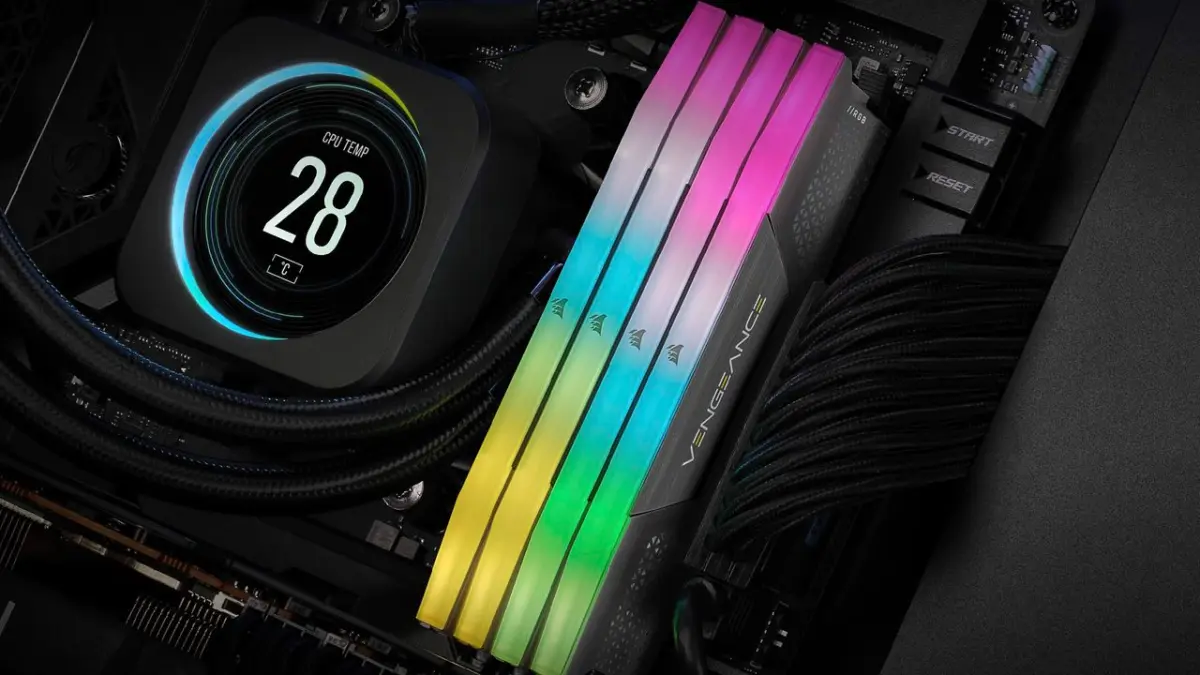
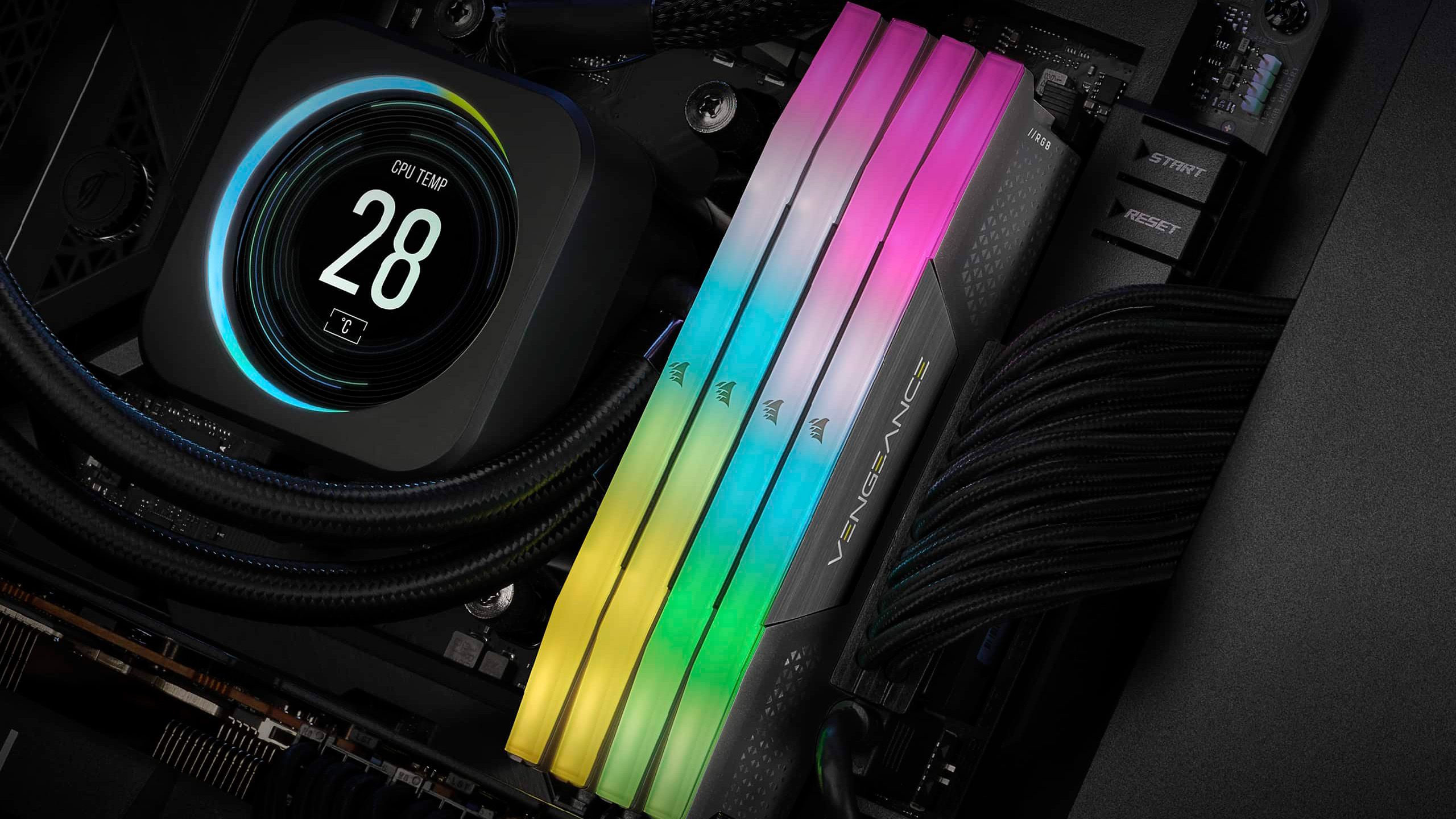
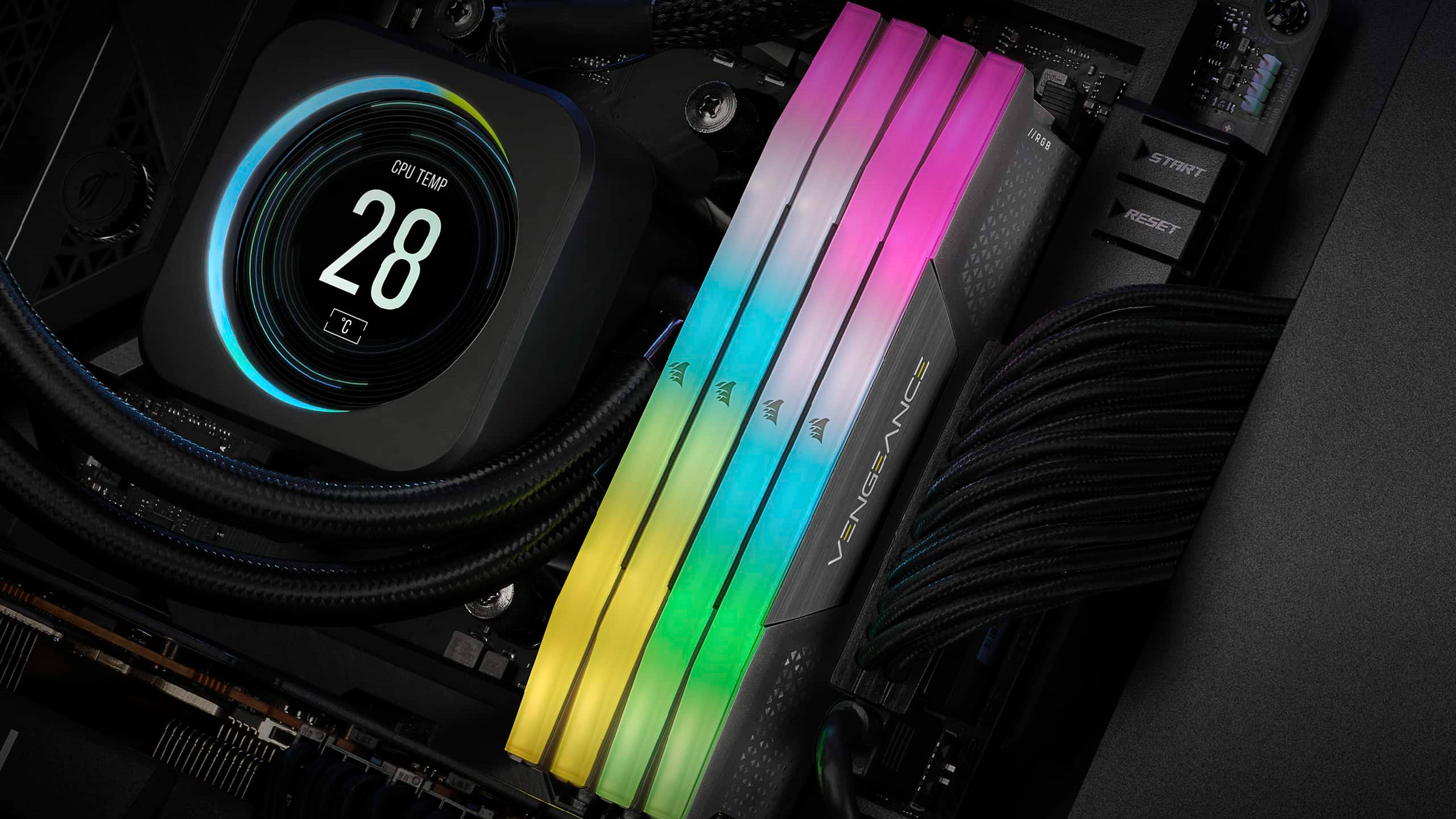
Recent market tracking reveals that a standard 32GB (2x16GB) kit of Corsair Vengeance DDR5-6000 RAM has breached the staggering $400 milestone. To put this into perspective, historical price data from platforms like PCPartPicker reveals that this exact hardware configuration could be reliably purchased for as little as $80 during promotional periods in recent years. This marks a brutal, unprecedented price escalation of over 400%.
The ripple effects of this memory crisis are touching every corner of the consumer electronics landscape. Industry-wide, memory prices have climbed by as much as 500% over a brutal 12-month window. High-capacity kits—such as 128GB configurations of DDR5—now command eye-watering retail prices reaching up to $3,399.
This deep-dive investigation explores the catalysts behind the current PC component crisis, examining how global shifts in manufacturing priorities, corporate pivots toward enterprise artificial intelligence, and constrained supply chains have converged to create a nightmare scenario for DIY builders and gamers alike.
Detailed Chronology: The Road to the $400 Memory Milestone
To understand how a routine hardware upgrade became a luxury investment, we must look at how the memory market evolved over the past several years.
The Post-Launch Stabilization (2022–2023)
When DDR5 memory first debuted alongside Intel’s Alder Lake (12th Gen) processors and later AMD’s Ryzen 7000 series, it suffered from the typical "early adopter" tax. Initial kits were plagued by high latency, limited motherboard compatibility, and steep introductory prices. However, as manufacturing yields improved and fabrication lines matured throughout 2023, prices stabilized dramatically.
During this golden era for consumers, 32GB kits of 6,000 MT/s RAM routinely dipped into bargain territory. Fierce competition among manufacturers like Corsair, G.Skill, Kingston, and Crucial drove down the cost of entry-level and mid-range kits. For builders assembling a mid-tier to high-end gaming PC, allocating $80 to $100 for a robust, high-performance memory kit was standard practice.
The Slow Creep (Early to Mid-2025)
The warning signs began quietly. Industry analysts and supply chain trackers noticed subtle shifts in wholesale component pricing by early 2025. While promotional discounts still occasionally softened the blow for consumers, baseline prices stopped falling and began an aggressive, steady upward trajectory.
Instead of periodic price fluctuations correcting back downward, retail costs began ticking up week-over-week. Kits that hovered around $120 slowly drifted to $180, then $250, and finally crossed into the $300 territory. Daily spot-checks by hardware publications confirmed a troubling trend: the traffic on memory pricing was moving strictly in one direction.
Crossing the Threshold (Present Day)
Within the last few hours, retail trackers confirmed that the industry benchmark—32GB of DDR5-6000 RAM—officially crossed the $400 threshold. Even slower memory speeds offer little relief; alternative configurations like Corsair Vengeance DDR5-4800 (featuring looser CL40 timings) are currently retailing for roughly $359.
The implication is severe: consumers are no longer paying a minor convenience fee for speed; they are paying catastrophic premiums simply to acquire basic, functional system memory. Compromising on speed by dropping down to slower tiers saves a paltry $40, turning what used to be smart budget allocation into a devastating exercise in diminishing returns.
Supporting Context & Metrics: The Anatomy of a Component Crisis
The dramatic escalation of RAM pricing does not happen in a vacuum. It is the direct symptom of a fundamental restructuring of the global semiconductor industry, driven primarily by the explosive, insatiable demands of the artificial intelligence boom.
The AI Gold Rush and NAND/Flash Starvation
The modern AI revolution requires staggering amounts of computational power, and compute is only as effective as the data fed into it. Hyperscale cloud providers, enterprise tech giants, and AI research labs are engaged in an unprecedented infrastructure buildout. Data centers require massive quantities of enterprise-grade solid-state storage and ultra-fast memory to train and run massive large language models (LLMs).
Consequently, global NAND flash and DRAM manufacturing capacity has been heavily re-allocated. Fabrication plants (fabs) that once dedicated vast swathes of silicon wafers to consumer-grade DDR4 and DDR5 memory modules have pivoted toward high-margin enterprise products.
The Death of Consumer Brands
Perhaps the most telling casualty of this strategic shift was Micron’s decision to wind down its beloved consumer-facing brand, Crucial, regarding certain high-performance SSDs and memory lines. Micron officially refocused its corporate strategy on High Bandwidth Memory (HBM) and enterprise data center clients—sectors capable of sustaining astronomical profit margins that consumer hardware simply cannot match.
When major players exit or scale back their consumer footprints, total market supply contracts violently. With fewer competitors vying for consumer dollars and total module production throttled, basic economics takes over: supply plummets, demand remains rigid, and retail prices skyrocket.
Scale of the Price Hikes
The numbers paint a bleak picture of the current hardware ecosystem:
- 32GB DDR5-6000 Kits: Up over 400% from historic lows, scaling from ~$80 to $400+.
- High-Capacity 128GB Kits: Extreme enterprise-adjacent configurations have climbed by as much as 500% over a 12-month period, with retail prices hitting a staggering $3,399.
- Slower Speeds (DDR5-4800): Dragged upward by the overarching supply deficit, entry-level speeds are now commanding prices ($359+) that used to buy top-tier enthusiast hardware.
Industry Responses and Corporate Shifts
As consumer backlash grows louder across enthusiast forums, Reddit communities, and tech publications, hardware manufacturers find themselves caught between soaring production overhead and public relations challenges.
Major memory vendors have largely declined to comment on specific short-term retail spikes, pointing instead to broader macroeconomic pressures, raw material costs, and silicon wafer allocation constraints. Industry insiders note that fab contracts are negotiated months or even years in advance, meaning memory manufacturers locked into enterprise commitments have little flexibility to ramp up consumer lines even if they wanted to.
Retailers, meanwhile, are struggling to maintain consistent stock levels. Automated inventory systems are adjusting prices dynamically based on wholesale replenishment costs, resulting in the rapid price jumps observed by daily trackers.
Future Outlook: How PC Builders Can Adapt
If you are currently sitting on a functioning gaming PC powered by older DDR4 memory or early-generation DDR5, the prevailing advice from industry analysts is simple: hold onto your hardware.
For those who desperately need to build a new system or upgrade an obsolete rig, navigating the current market requires strategic thinking:
- Embrace Pre-Builts and Bundles: System integrators (SIs) and major hardware retailers often secure component pricing months in advance through bulk purchasing agreements. As a result, buying a pre-built gaming PC or a motherboard-CPU-RAM bundle is frequently far more cost-effective than sourcing individual components à la carte.
- Monitor the Secondary Market: While fraught with risks, purchasing verified, gently used memory from trusted sellers can provide a temporary escape hatch from exorbitant retail markups.
- Manage Expectations on Specs: If you must buy new components, carefully weigh whether the performance gains of high-speed memory justify the financial penalty. However, with even baseline speeds inflating drastically, the margins for savings are razor-thin.
Conclusion
The crossing of the $400 threshold for standard 32GB DDR5-6000 memory marks a grim milestone for the PC gaming community. What was once an accessible hobby defined by high customizability and reasonable component pricing is increasingly feeling the squeeze of industrial-scale artificial intelligence investments.
All available indicators suggest that memory shortages—and consequently, elevated pricing—will persist and potentially worsen in the coming months. Until global fabrication capacity catches up to the relentless demands of the AI infrastructure boom, PC builders must prepare to navigate one of the most hostile purchasing environments in consumer hardware history.
