

Executive Overview
In an era defined by the rapid proliferation of low-cost, highly lethal aerial threats, the United States military is continuously forced to adapt its tactical doctrines. On August 18, during a high-stakes live-fire exercise at Fort Bragg, the U.S. Army showcased its latest evolution in battlefield robotics: an autonomous breaching vehicle outfitted with an onboard, computer-controlled Counter-Unmanned Aircraft System (C-UAS) turret.
Part of the ongoing military initiative known as Project Sandhills 2.0, the demonstration centered on self-driving Ford F-250 pickup trucks modified for hazardous breaching operations. These unmanned surface platforms are designed to clear paths through hostile territory—such as minefields, barbed wire, and defensive fortifications—allowing human soldiers to advance with significantly reduced exposure to enemy fire.
However, modern battlefield dynamics have introduced a new class of hazard: First Person View (FPV) drones and commercial quadcopters modified for combat. These agile, inexpensive aerial weapons can easily disrupt and devastate traditional breaching operations. To counter this, the U.S. Army integrated the ultra-responsive "Edda" shotgun turret onto the autonomous Ford F-250 chassis. By combining commercial-off-the-shelf automotive platforms with cutting-edge artificial intelligence, acoustic detection, and kinetic counter-drone solutions, the military is rapidly charting a new course for frontline autonomous warfare.
Detailed Chronology of the Fort Bragg Live-Fire Exercise
The August 18 demonstration at Fort Bragg marked a major milestone for military robotics, moving autonomous systems past mere logistical transport and into active, frontline combat engineering roles.
The Evolution from Sandhills 1.0
Project Sandhills 2.0 is the direct successor to the original Sandhills initiative, a rapid-prototyping effort that yielded the Lancer Unmanned Ground Vehicle (UGV). Built on a Polaris Ranger 1500 utility vehicle chassis, the Lancer was designed for remote-controlled tactical utility and subsequently gifted to Ukraine to aid in its ongoing defense efforts.
While the Polaris platform proved effective for light transport and scouting, modern peer-to-peer combat revealed critical vulnerabilities. Breaching operations—historically some of the most dangerous tasks in military engineering—frequently stall when defending forces deploy swarms of inexpensive FPV drones to target engineering equipment and personnel. Recognizing that lighter utility vehicles lacked the payload capacity, structural ruggedness, and integration space for heavy-duty defensive systems, Army developers scaled up to a heavy-duty commercial platform for Sandhills 2.0: the Ford F-250.
The Live-Fire Demonstration
During the August 18 exercise, observers watched as the autonomous Ford F-250 navigated simulated tactical obstacles under computer control. The vehicle operated without human drivers, utilizing advanced autonomy software to plot paths, avoid hazards, and execute breaching maneuvers in real-time.
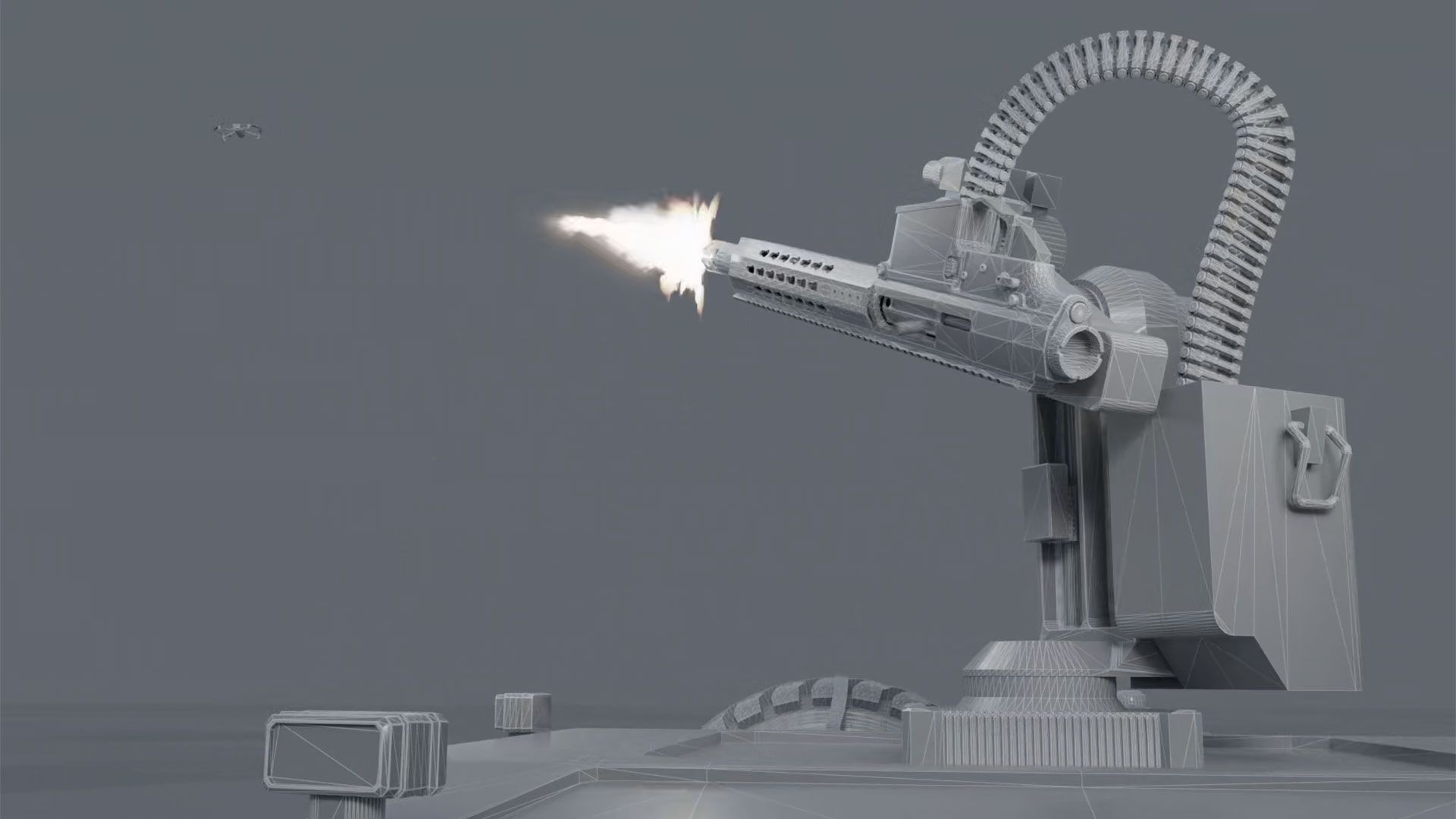
When simulated hostile drones approached the testing corridor, the vehicle’s onboard C-UAS architecture activated automatically. Without human intervention, the system detected, tracked, and engaged incoming aerial threats using a specialized shotgun turret, successfully neutralizing the targets before they could interfere with the breaching vehicle’s mission profile.
Supporting Context & Metrics: Technology and Hardware Breakdown
The success of Project Sandhills 2.0 relies on the seamless integration of three distinct technological pillars: Forterra’s automotive autonomy stack, the rugged Ford F-250 platform, and 9 Mothers’ Edda C-UAS turret.
1. The Vehicle Chassis: Ford F-250 and Forterra AutoDrive
The choice of the Ford F-250 was far from accidental. According to Forterra’s defense division, utilizing a mass-produced, heavy-duty commercial truck offers massive logistical advantages over bespoke military vehicles.
- Maintenance & Repair: Because the F-250 is ubiquitous globally, replacement parts, mechanical spares, and maintenance expertise are readily available. This dramatically lowers the logistical footprint required to keep autonomous fleets operational in austere environments.
- Payload Capacity: The F-250 provides substantial gross vehicle weight rating (GVWR) margins, allowing it to carry heavy breaching charges, armor plating, and complex power-generation units alongside the 23kg (50-pound) Edda turret.
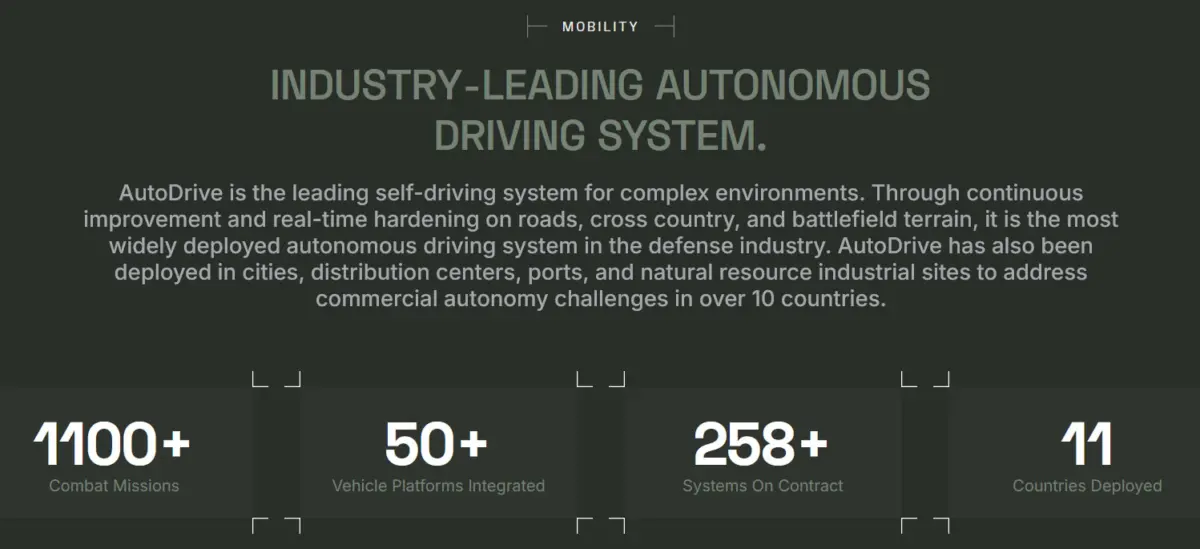
- Autonomy Stack: The trucks are integrated with Forterra’s AutoDrive system, an advanced autonomous driving suite capable of navigating complex off-road terrain, unstructured environments, and GPS-denied or heavily jammed electronic warfare zones.
2. The Counter-UAS System: The Edda Turret
Manufactured by Austin-based defense tech firm 9 Mothers, the Edda C-UAS turret is a purpose-built defense system engineered specifically to defeat fast-moving, highly maneuverable micro-drones.
- Target Parameters: The Edda system is optimized to track and eliminate drone threats 7 inches in diameter or larger, operating effectively at engagement ranges between 10 and 100 meters (33 to 328 feet).
- Physical Footprint: Weighing in at a remarkably light 23kg (approx. 50 pounds), the turret can be easily mounted to a wide variety of ground vehicles without destabilizing their center of gravity or severely cutting into cargo weight limits.
- Kinetic Effector: Rather than relying on expensive, radar-guided missiles or high-power microwave systems that require massive electrical generators, the Edda utilizes a computer-controlled shotgun. This provides a dense cloud of kinetic projectile payload, making it exceptionally effective against nimble FPV racing drones and quadcopters while keeping the cost-per-engagement remarkably low.
3. Acoustic Detection and Visual Tracking
One of the most innovative aspects demonstrated during Sandhills 2.0 is the Edda turret’s dual-stage acquisition methodology:
- Passive Acoustic Detection: Initially, the system detects incoming drones through advanced acoustic signatures rather than active radar or lidar. Active radar emissions can easily be tracked by sophisticated enemy electronic intelligence (ELINT) systems, exposing the vehicle’s position. Acoustic sensors allow the system to remain passively vigilant without broadcasting its location.
- Active Visual Lock-On: Once acoustic cues narrow down the sector of the threat, an onboard high-speed optical tracking system locks onto the visual profile of the drone.
- Precision Motion Platform: 9 Mothers describes the Edda platform as an "ultra-fast, ultra-light, ultra-accurate motion platform" capable of moving 5 degrees in under 15 milliseconds with 1.5-arcminute precision. This rapid slewing rate is critical when attempting to intercept modern FPV drones diving at speeds exceeding 60 miles per hour.
Official Statements and Industry Perspectives
Defense analysts and industry leaders view the integration of shotgun-armed autonomous trucks as a watershed moment in asymmetric warfare adaptation.
Military procurement officials have increasingly emphasized the "cost asymmetry" problem in modern conflicts. Spending a $150,000 Patriot or surface-to-air missile to destroy a $500 commercial hobbyist drone is economically unsustainable. By pairing automated ground vehicles with standard shotgun ammunition, the U.S. Army is directly addressing this fiscal imbalance, ensuring that drone defense remains affordable and scalable.
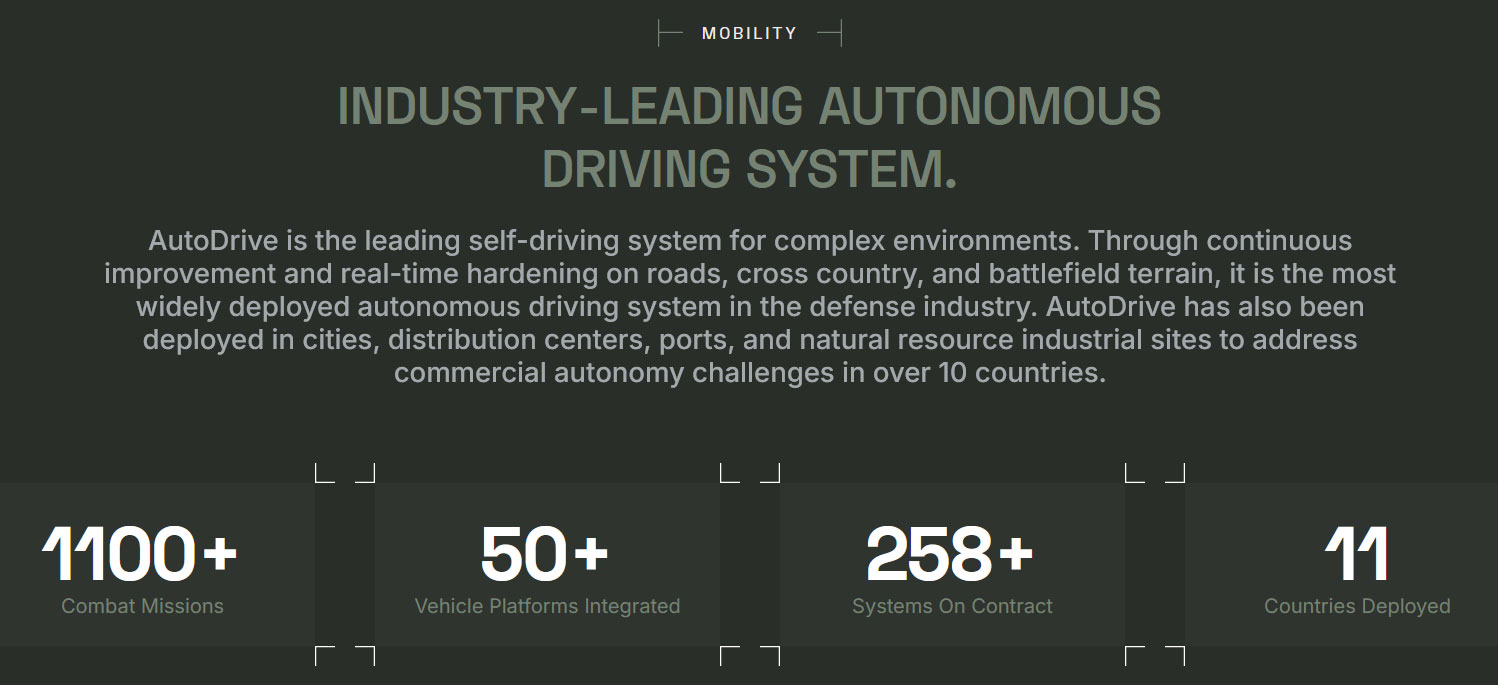
Representatives from Forterra highlighted that building defense technologies around commercial platforms like the Ford F-250 bridges the gap between commercial Silicon Valley innovation and traditional military-industrial timelines. Rather than spending decades designing a bespoke armored vehicle from scratch, the defense sector can leverage mature automotive supply chains to field capable robotic systems at a fraction of the cost and time.
However, industry observers and technical experts have also called for greater transparency regarding performance metrics. While the public demonstration at Fort Bragg was deemed a success, independent defense analysts note that comprehensive test data—such as single-shot kill percentages, maximum target engagement velocities, and ammunition capacity limits per deployment—will ultimately determine how rapidly the system moves from testing to full-scale fielding.
Future Outlook: The Role of Autonomous Breaching in Modern Warfare
As conflicts in Ukraine, the Middle East, and elsewhere continue to demonstrate the absolute dominance of aerial surveillance and loitering munitions, the traditional battlefield is undergoing a fundamental transformation. Every echelon of military operations—from strategic logistics down to individual squad-level breaching maneuvers—must now account for the omnipresent threat from the sky.
Project Sandhills 2.0 offers a glimpse into how future combat engineering units will operate. By removing human soldiers from the driver’s seats of lead breaching vehicles and equipping those robotic platforms with autonomous, AI-driven close-in defense systems, the U.S. Army is systematically mitigating the human cost of breaching fortified lines.
Looking ahead, the success of the Ford F-250 / Edda combination at Fort Bragg is expected to accelerate research and development across multiple branches of the U.S. Armed Forces. We can anticipate further integration of autonomous ground vehicles with multi-layered defensive architectures—potentially combining acoustic sensors, AI-driven computer vision, and kinetic shotgun effectors with electronic jamming systems and directed-energy lasers.
Ultimately, Project Sandhills 2.0 underscores a shifting paradigm in military technology: the future belongs to agile, modular, and cost-effective autonomous systems capable of adapting in real-time to an increasingly lethal and complex battlefield.
