

Executive Overview
For PC builders and hardware enthusiasts navigating the current component market, the phrase "getting a good deal" has taken on an entirely new definition. Driven by persistent manufacturing pressures, soaring component demand, and the relentless expansion of the artificial intelligence boom, the cost of high-performance storage has skyrocketed across the board. Finding relief requires looking beyond traditional retail channels to unearth rare, steep markdowns that slice hundreds of dollars off inflated standard prices.
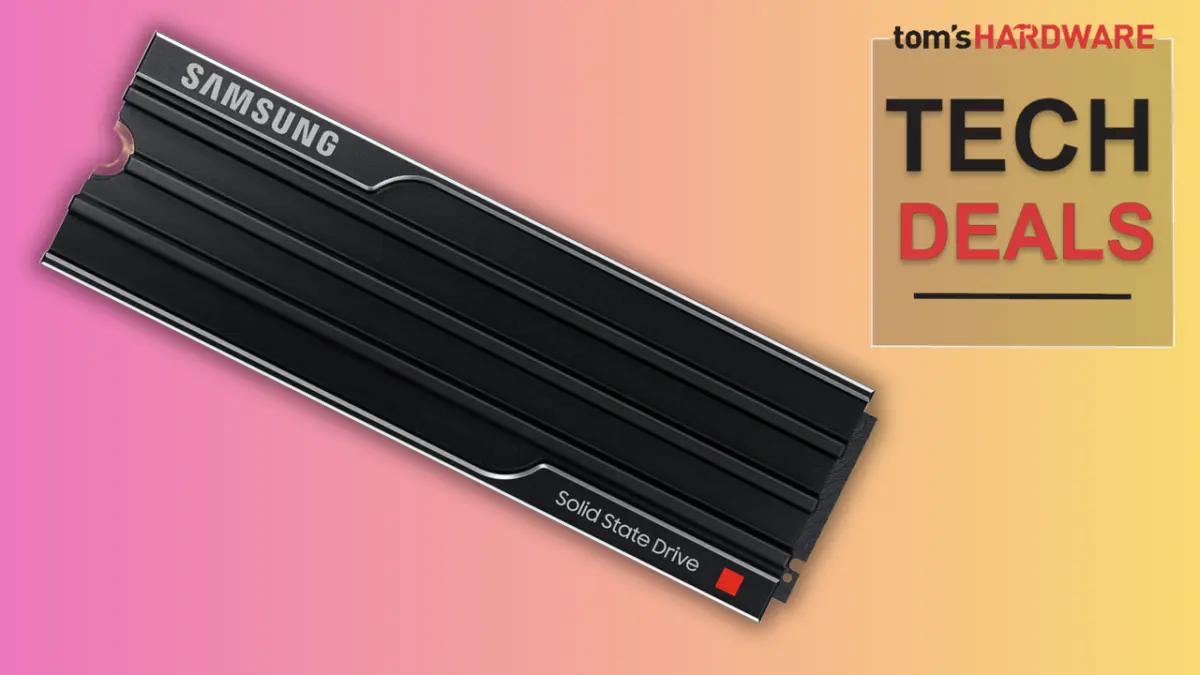
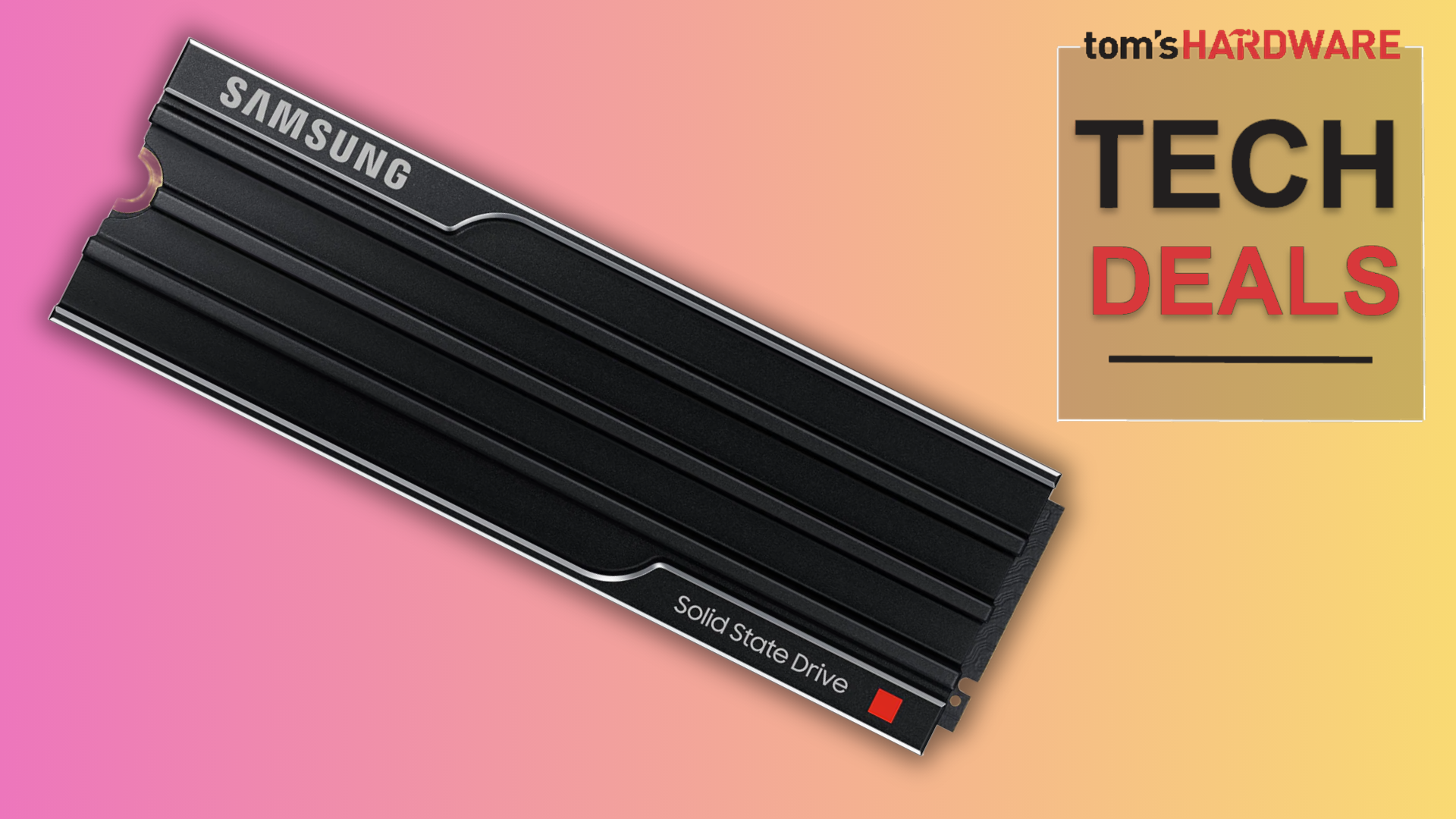
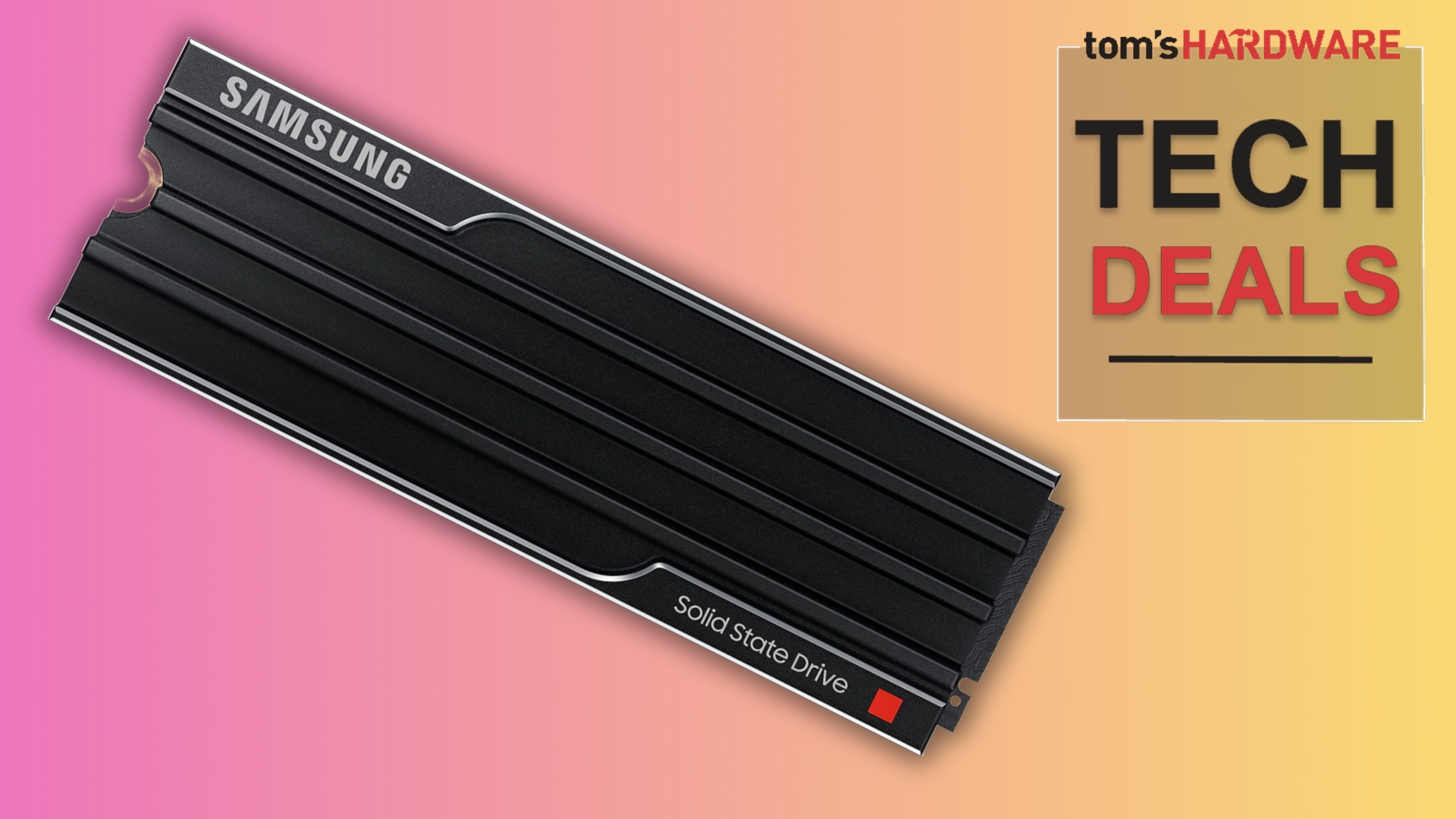
A prime example of this phenomenon has emerged on Woot—an Amazon-owned subsidiary—where the 4TB Samsung 9910 Pro PCIe 5.0 NVMe SSD is currently available for a limited-time promotional price of $619.99. This represents a massive savings of $348 compared to its pricing on its parent platform, Amazon.
While $620 is certainly a substantial upfront investment, a comprehensive look at the modern hardware landscape reveals that this is one of the few avenues available to secure bleeding-edge, high-capacity PCIe 5.0 storage without paying a catastrophic market peak price. This piece analyzes the dynamics behind the current SSD pricing crisis, breaks down the technical prowess of Samsung’s flagship drive, and evaluates whether this Woot-exclusive offer deserves a spot in your next high-end rig.
Detailed Chronology: The Ascent of SSD Pricing and the AI Factor
To understand why a $619.99 price tag for a 4TB SSD is being celebrated as a significant discount, one must trace the timeline of the storage market’s recent volatility.
The End of Affordable Storage (Late 2023 – Early 2024)
For several years, consumers enjoyed an era of remarkably low NAND flash memory prices. Overproduction and sluggish consumer demand led to a race to the bottom among manufacturers like Samsung, Western Digital, Crucial, and Micron, making 2TB and 4TB solid-state drives remarkably affordable. However, the foundational economics of the semiconductor industry shifted dramatically toward the close of 2023.
The AI Infrastructure Gold Rush (Mid 2024 – Present)
As enterprise data centers and hyperscalers scrambled to build out infrastructure capable of supporting large language models (LLMs) and massive machine-learning workloads, the demand for enterprise-grade flash storage and high-bandwidth memory (HBM) skyrocketed. Component suppliers strategically pivoted production lines to satisfy lucrative enterprise contracts, creating an artificial supply squeeze for consumer-facing components.
The Market Collapse on Retailers (December 2024 – February 2025)
By late winter, retail prices for top-tier PCIe 5.0 drives began climbing with relentless momentum. Historical tracking data for the Samsung 9100/9910 Pro series shows that consumer pricing has been on an aggressive upward trajectory since December. On Amazon, this particular 4TB model has steadfastly refused to dip below the $800 threshold since February, with supply constraints driving costs even higher in the weeks that followed.
The Woot promotion, therefore, breaks a months-long pricing plateau. By dropping the drive to $619.99, it effectively rolls back the clock to early February pricing levels—a feat few other retailers have been able or willing to replicate.
Supporting Context & Metrics: Unpacking the Hardware
When spending upwards of $600 on a single component, buyers need assurance that the hardware justifies the expense. The Samsung 9910 Pro is engineered to meet the demands of power users, content creators, and elite gamers who refuse to compromise on performance.
Architectural Breakdown and Specifications
At its core, the 9100/9910 Pro series leverages cutting-edge silicon engineering to maximize the theoretical limits of the PCIe 5.0 interface. Key architectural highlights include:
- The Controller: Built around Samsung’s proprietary 5nm "Presto" controller, the drive manages thermal output and data throughput with exceptional efficiency compared to competing Gen 5 controllers that often require bulky, active-fan cooling solutions.
- NAND Flash Memory: The drive utilizes advanced TLC (Triple-Level Cell) architecture powered by Samsung’s dense 236-layer V8 flash memory modules, ensuring high endurance and rapid data retrieval rates.
- Integrated DRAM & Layout: Featuring a robust single-sided design, the module integrates the controller, a dedicated high-speed DRAM cache package, and two NAND flash packages. This layout ensures compatibility with a wider array of motherboards and prevents clearance issues with bulky CPU air coolers.
- Thermal Management: The 4TB variant featured in this deal comes equipped with a factory-installed heatsink. This passive thermal solution is essential for sustaining peak performance during extended data transfers without triggering thermal throttling.
Performance Benchmarks: Speed vs. Reality
The primary selling point of a PCIe 5.0 drive is raw speed, and the Samsung 9910 Pro does not disappoint. Operating across four lanes of PCIe 5.0, the drive delivers:
- Sequential Read Speeds: Up to 14,800 MB/s
- Sequential Write Speeds: Up to 13,400 MB/s
While market leaders like the Corsair MP700 Pro XT edge slightly ahead in raw benchmark scores—topping out near 14,900 MB/s read and 14,700 MB/s write speeds—Samsung’s offering strikes a superior balance between raw throughput and power efficiency. In independent evaluations, the 9910 Pro consistently ranks as one of the most power-efficient Gen 5 drives on the market, generating less waste heat than its primary competitors.
Capacity Realities: What 4TB Means for You
Investing in a 4TB drive fundamentally changes how a user manages data. For modern PC gamers, installation sizes have ballooned; AAA titles routinely demand anywhere from 100GB to 150GB of storage apiece.
- Operating System Overhead: After formatting and installing Windows 11 or Linux alongside essential utilities, a 4TB drive yields roughly 3.6 to 3.7 terabytes of usable space.
- Gaming Library: This translates to room for dozens of massive AAA game installations, expansive indie libraries, and media archives without ever needing to uninstall titles to make room for updates.
- Productivity & Content Creation: For video editors and 3D animators working with uncompressed 4K or 8K footage, the combination of immense capacity and 14GB/s+ read/write speeds eliminates bottlenecks when scrubbing through heavy timelines or moving massive project files.
Official Perspectives and Market Analysis
Industry analysts and hardware reviewers have closely monitored the ripple effects of enterprise AI spending on the consumer component sector. While manufacturers continue to ramp up production of advanced node flash memory, market equilibrium is not expected to return quickly.
According to supply chain observers, consumer SSD prices are expected to remain volatile through the remainder of the year. Brands are prioritizing higher-margin enterprise drives, leaving consumer retail allocations tight. Consequently, major flash sales from trusted liquidators and retail arms—such as Woot’s connection to Amazon—represent anomalies in an otherwise rigid pricing structure.
Furthermore, industry benchmarks emphasize that while PCIe 4.0 drives remain adequate for standard gaming and everyday productivity, the transition to PCIe 5.0 is becoming increasingly critical for professional workflows and future-proofing high-end rigs. Reviewers note that while the performance leap from Gen 4 to Gen 5 may not radically alter standard Windows boot times, sequential transfer tasks showcase generational leaps that justify the premium for productivity-focused buyers.
Future Outlook: Should You Buy Now or Wait?
The eternal dilemma of the PC hardware enthusiast is deciding whether to purchase immediately or wait for the next big price drop. Given the current trajectory of the semiconductor and storage markets, waiting for a miraculous market correction may prove counterproductive.
The Case for Buying Now
- Uncertain Market Inflation: With AI infrastructure demands continuing to absorb global flash memory output, prices are statistically more likely to creep upward or hold steady rather than experience sudden, deep price cuts.
- Substantial Immediate Savings: Saving nearly $350 off Amazon’s prevailing benchmark price is a rare discount tier for a top-tier, 4TB PCIe 5.0 flagship drive.
- Built-in Longevity: Buying a PCIe 5.0 drive with a massive 4TB capacity and an included heatsink ensures your storage subsystem will remain relevant and lightning-fast for years, easily carrying over into future system upgrades.
Considerations Before Purchasing
- Motherboard Compatibility: To take full advantage of the Samsung 9910 Pro’s speeds, your motherboard must feature an M.2 slot wired for PCIe 5.0 x4. While backward compatible with PCIe 4.0 and 3.0 slots, running the drive on older hardware will artificially cap its performance speeds.
- Prime Membership Requirement: Because Woot operates under the Amazon corporate umbrella, this specific deal is structured as an Amazon Prime exclusive. Buyers must authenticate their Woot account using an active Amazon Prime subscription to access the checkout price.
Final Verdict
The 4TB Samsung 9910 Pro deal on Woot is not an all-time historical low for solid-state storage, nor is it an impulse buy for casual users. However, evaluated through the lens of today’s inflated hardware economy, it is an exceptional opportunity for enthusiasts, professionals, and hardcore gamers looking to secure massive, ultra-fast storage without falling victim to full retail markup. If your workflow or gaming habits demand uncompromising speed and vast capacity, this promotion offers a welcome respite from the broader storage market crisis.
