

Executive Overview
The global consumer PC component market is experiencing one of its most volatile and disruptive eras in recent memory. Driven by an insatiable, corporate-backed artificial intelligence boom, the semiconductor and memory sectors have undergone a dramatic structural shift. High-bandwidth memory (HBM), enterprise-grade DDR5 modules, and massive storage components have been aggressively reallocated toward hyperscale data centers and enterprise AI accelerators. For everyday PC builders, this reallocation has triggered what industry analysts are calling the "AI-driven memory apocalypse."
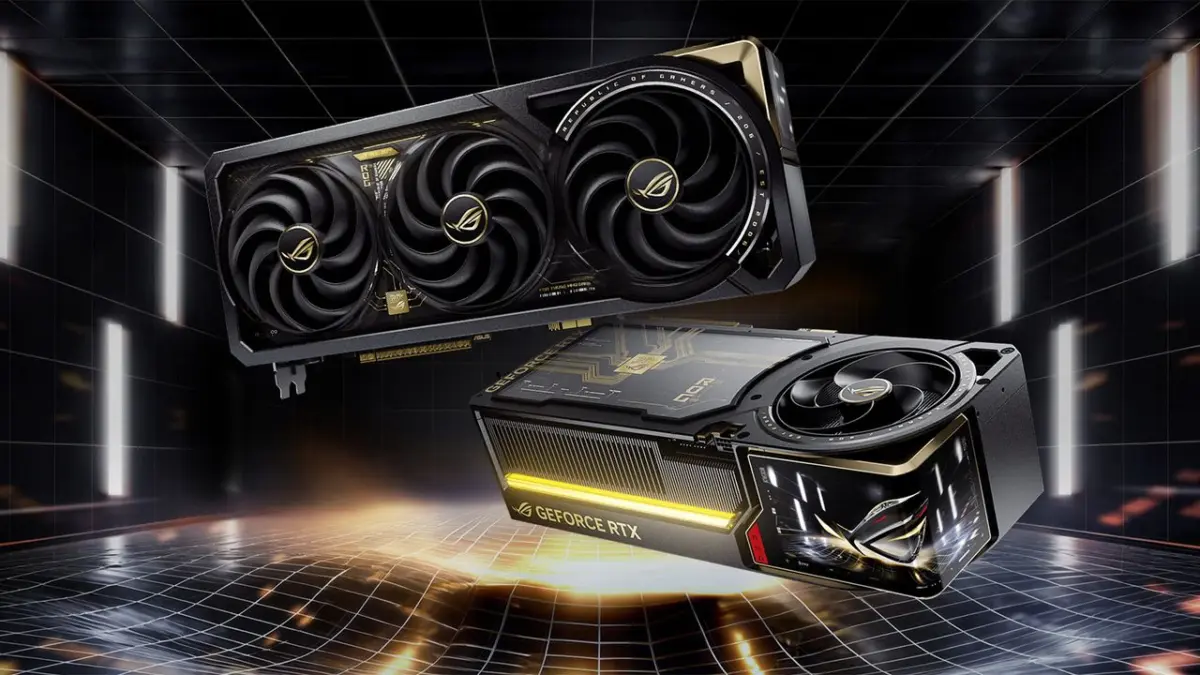
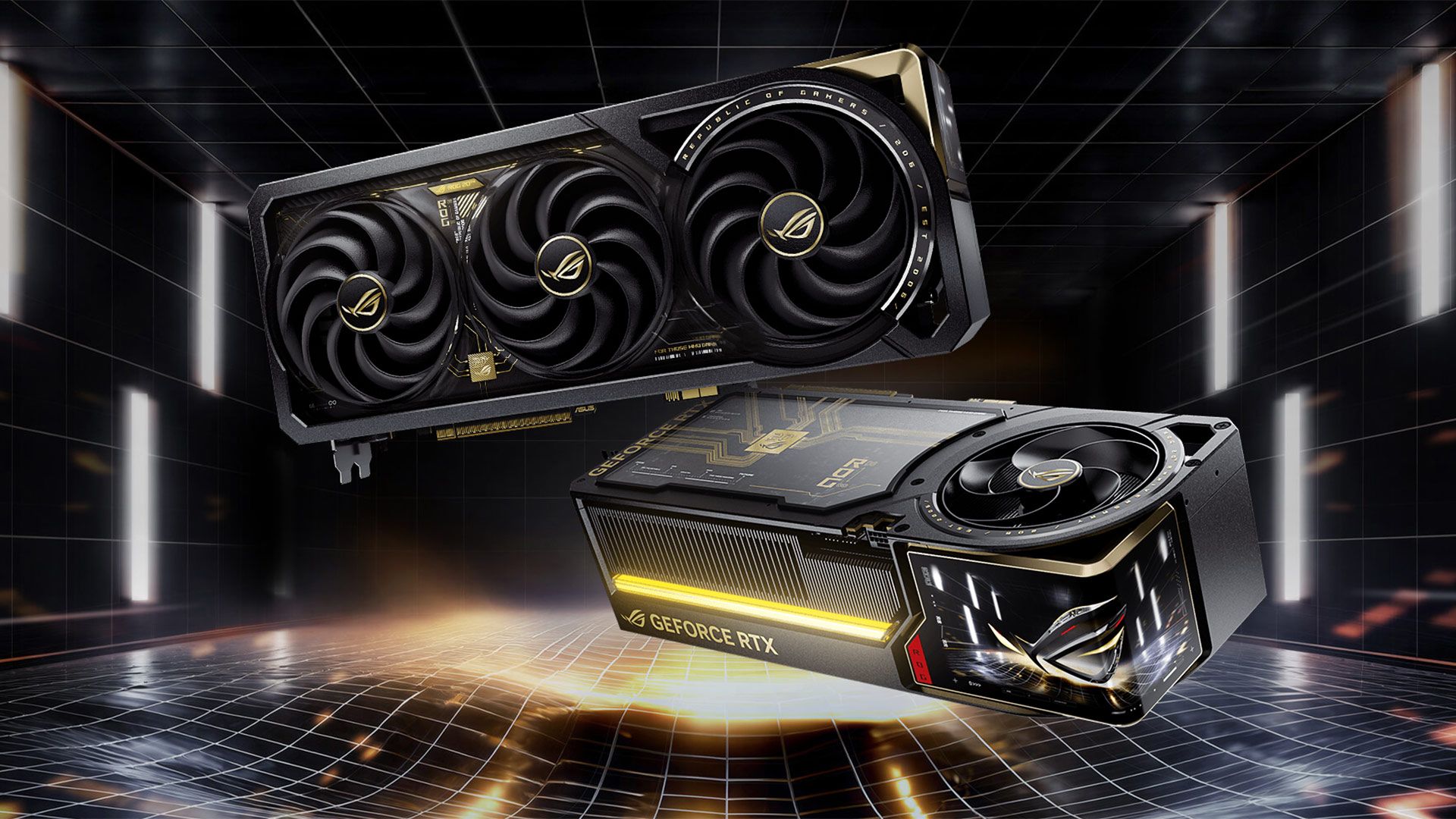
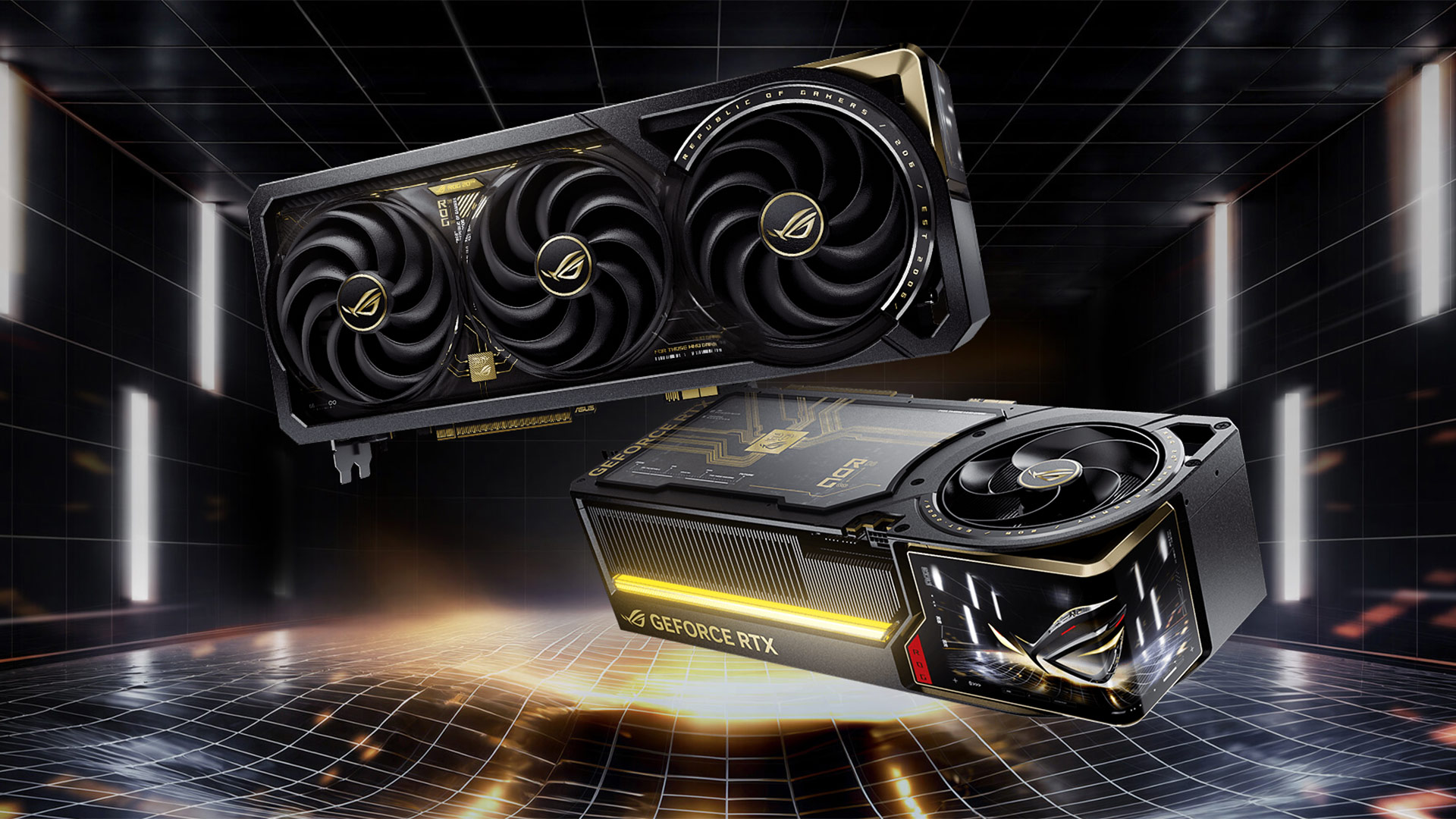
The consequences of this phenomenon are no longer abstract projections found in quarterly financial reports; they are starkly visible on retail shelves and e-commerce platforms worldwide. A striking example recently surfaced on Taiwan’s prominent PChome24h platform, where hardware hardware leaker Uniko’s Hardware highlighted a series of bizarre, highly inflated product bundles. Retailers are now packaging ultra-high-end NVIDIA GeForce RTX 5090 graphics cards with staggering quantities of "freebies"—including multiple motherboards, power supply units, advanced CPUs, and even secondary GPUs.
While these multi-thousand-dollar packages might initially read like an eccentric marketing stunt, they are symptomatic of a deeper, more alarming systemic malaise. With mainstream buyers largely priced out of the market, retailers are being forced to invent creative, desperate liquidation strategies to clear stagnant inventory and free up critical capital. As a growing body of research confirms a prolonged double-digit contraction in consumer PC shipments—with zero meaningful recovery projected before 2029—these luxury hardware bundles offer a clear window into an industry pushed to its breaking point.
Detailed Chronology: How the Hardware Market Reached a Breaking Point
To understand the absurdity of current retail bundling strategies, it is necessary to trace the compounding pressures that have reshaped the PC hardware landscape over the past few years.
Phase 1: The AI Infrastructure Gold Rush (2023–2024)
As generative artificial intelligence models captured the global imagination, tech conglomerates embarked on an unprecedented race to construct massive training and inference clusters. Companies required immense computational muscle, heavily relying on specialized GPUs paired with lightning-fast memory. Semiconductor fabrication plants (fabs)—most notably TSMC and major memory manufacturers like Samsung, SK Hynix, and Micron—pivoted their production lines away from consumer-grade RAM and standard graphics architecture to satisfy lucrative enterprise contracts.
Phase 2: The Cascading Component Deficit (2024–2025)
By late 2024, the redirection of silicon wafers and packaging capacities began to starve the consumer retail channel. Prices for raw components, particularly DRAM and NAND flash, began an aggressive upward trajectory. Motherboard manufacturers, faced with escalating input costs for VRMs, PCBs, and integrated memory controllers, raised their wholesale prices. Consequently, entry-to-mid-range PC parts—traditionally the bread and butter of custom system builders—witnessed unprecedented cost inflation.
Phase 3: Consumer Paralysis and Inventory Stagnation (2025–Present)
Faced with skyrocketing prices for essential system components, the average consumer simply stopped building and upgrading PCs. Market research firms documented the sharpest drops in new PC purchases in nearly three years. Budget laptops and entry-level desktop parts were hit hardest, as everyday buyers concluded that building a functional rig was no longer financially viable. Retailers, suddenly burdened with warehouses full of slower-moving motherboards, mid-tier GPUs, and power supplies that they had ordered during earlier forecasting cycles, found themselves trapped with millions of dollars in immobilized capital.
This structural gridlock directly birthed the phenomenon captured on PChome24h: retailers attempting to force-feed dead inventory to the only demographic still actively purchasing—wealthy enthusiasts, boutique builders, and commercial entities willing to absorb the high costs of flagship hardware.
Supporting Context & Metrics: Decoding the RTX 5090 "Mega-Bundles"
The scale of these Taiwanese e-commerce bundles underscores the desperate measures distributors are taking to clear warehouse space. Centered around flagship NVIDIA GeForce RTX 5090 cards—which command massive baseline values on their own—these bundles are stacked with enough auxiliary hardware to outfit multiple independent desktop systems.
An analysis of the specific bundles uncovered on PChome24h reveals the sheer volume of surplus hardware being pushed onto buyers:
- The Asus ROG Astral GeForce RTX 5090 Combo: Priced at NTD 248,990 (~$7,720.62 USD), this package features the powerhouse Asus ROG Astral RTX 5090 alongside four Asus Dual Radeon RX 9060 XT graphics cards. While the individual retail value of the inclusions sits at roughly $5,145 USD for the primary GPU and secondary cards combined, the total package reflects a steep premium designed to offload secondary inventory in a single transaction.
- The Gigabyte Aorus RTX 5090 Master Combo: Retailing at NTD 241,290 (~$7,481.86 USD), this configuration pairs the Gigabyte Aorus RTX 5090 Master with a dizzying array of motherboards and power infrastructure. Included in the box are two Gigabyte B860M Gaming X WiFi6E motherboards, a high-end Gigabyte Aorus Elite P1000W power supply, a flagship Gigabyte X870E Aorus Master motherboard, and five additional Gigabyte B850M Force WiFi6E motherboards—representing a cumulative hardware value exceeding $7,200 USD.
- The MSI GeForce RTX 5090 Gaming Trio OC Combo: Spotted at NTD 274,090 (~$8,498.91 USD), this bundle leans heavily into high-end AMD and MSI architecture. Alongside the flagship MSI RTX 5090 Gaming Trio OC, buyers receive three MSI MPG X870E Carbon WiFi motherboards, two MSI B650M Gaming Plus WiFi boards, and an AMD Ryzen 9 9950X3D processor.
- The Gigabyte Aorus RTX 5090 AI Box Combo: For users leaning toward external or specialized setups, this NTD 267,090 (~$8,281.86 USD) package couples the Gigabyte Aorus RTX 5090 AI Box water-cooled external enclosure with a Gigabyte X870E Aorus Master motherboard, two Gigabyte GeForce RTX 5060 Gaming OC 8G graphics cards, and three Gigabyte B850M Force WiFi6E motherboards.
| Combo Package | Price (NTD) | Price (USD) | Core Hardware Included | Estimated Total Component Value (USD) |
|---|---|---|---|---|
| Asus ROG Astral RTX 5090 | 248,990.00 | $7,720.62 | 1x RTX 5090, 4x Radeon RX 9060 XT | ~$5,145.00 |
| Gigabyte Aorus RTX 5090 Master | 241,290.00 | $7,481.86 | 1x RTX 5090, 2x B860M, 1x P1000W PSU, 1x X870E Master, 5x B850M | ~$7,220.03 |
| MSI GeForce RTX 5090 Gaming Trio OC | 274,090.00 | $8,498.91 | 1x RTX 5090, 3x X870E Carbon, 2x B650M, 1x Ryzen 9 9950X3D | ~$7,002.57 |
| Gigabyte Aorus RTX 5090 AI Box | 267,090.00 | $8,281.86 | 1x RTX 5090 AI Box, 1x X870E Master, 2x RTX 5060, 3x B850M | ~$6,467.26 |
These metrics illustrate a fundamental market truth: retailers are not structuring these sales for profit margins on the bundled items; they are liquidating immobilized assets. By attaching up to seven motherboards or multiple secondary GPUs to a single flagship purchase, stores are essentially using the irresistible draw of top-tier enthusiast cards as a magnet to sweep obsolete or slow-moving stock off their shelves.
Official Statements and Industry Insights
Market analysts and industry watchdogs have spent the past year ringing alarm bells regarding the trajectory of the hardware sector. Leading research firms have published comprehensive downward revisions for global tech shipments, noting that the combination of inflationary pressures, supply chain fragmentation, and runaway memory costs has fundamentally altered consumer purchasing behavior.
According to recent disclosures from major tracking agencies, global PC shipments have encountered their sharpest downward corrections in years. Omdia and other prominent analytics firms have noted that the market contraction is hitting the budget and mid-tier consumer segments with particular severity. In statements regarding the ongoing crisis, analysts have emphasized that consumer sentiment remains deeply depressed, with buyers actively opting out of planned hardware upgrades.
Furthermore, supply chain insiders note that manufacturers over-indexed production on standard motherboards and mid-range components under the assumption of a post-pandemic demand stabilization that never materialized. Instead, the sudden pivot of semiconductor foundries toward AI accelerators starved consumer lines of affordable memory chips, rendering the assembled motherboards and GPUs sitting in warehouses temporarily unviable for cost-conscious builders.
As one hardware distributor remarked under condition of anonymity: "When the cost of DDR5 memory and supporting system silicon doubles your baseline build budget, people don’t buy mid-range parts. They keep their old machines running. The warehouses fill up, cash flow freezes, and eventually, you have to attach surplus inventory to high-end flagship products just to clear physical space."
Future Outlook: When Will the Market Stabilize?
The broader implications of the current hardware crisis extend far beyond quirky e-commerce bundles in Taiwan. They point toward a prolonged period of recalibration for the entire consumer computing ecosystem.
1. The Timeline to Recovery
Current consensus among major technology market analysts suggests that a meaningful recovery for the consumer PC market is unlikely to materialize before 2029. The structural deficits in memory manufacturing capacity cannot be resolved overnight; building new semiconductor fabs and specialized memory-packaging lines requires multi-billion-dollar capital expenditures and years of lead time. Until enterprise AI infrastructure demand plateaus or stabilizes, consumer hardware will continue to compete for a constrained pool of silicon.
2. Pricing Realities for Everyday Builders
For the foreseeable future, custom PC building will likely remain an expensive, enthusiast-driven hobby rather than a cost-effective alternative to pre-built systems. Budget and entry-level builders will continue to feel the squeeze of high memory and storage prices. Manufacturers, seeing higher profit margins in enterprise and high-end consumer sectors, may permanently adjust their production volumes downward for affordable components.
3. Evolving Retail Strategies
As long as warehouses remain clogged with stagnant inventory, expect to see more creative—and aggressive—bundling tactics from global retailers. While extreme multi-motherboard packages like those seen on PChome24h represent an extreme manifestation of the trend, the underlying pressure to move static stock will force vendors to offer deep discounts on curated kits, even if it requires packaging mismatched generations of hardware together.
Ultimately, the phenomenon of the RTX 5090 "mega-bundle" serves as a fascinating yet sobering monument to the current state of consumer tech. It highlights an industry caught in the crossfire of a technological revolution, where the relentless march of enterprise artificial intelligence continues to reshape the financial and physical realities of building a PC at home.
