

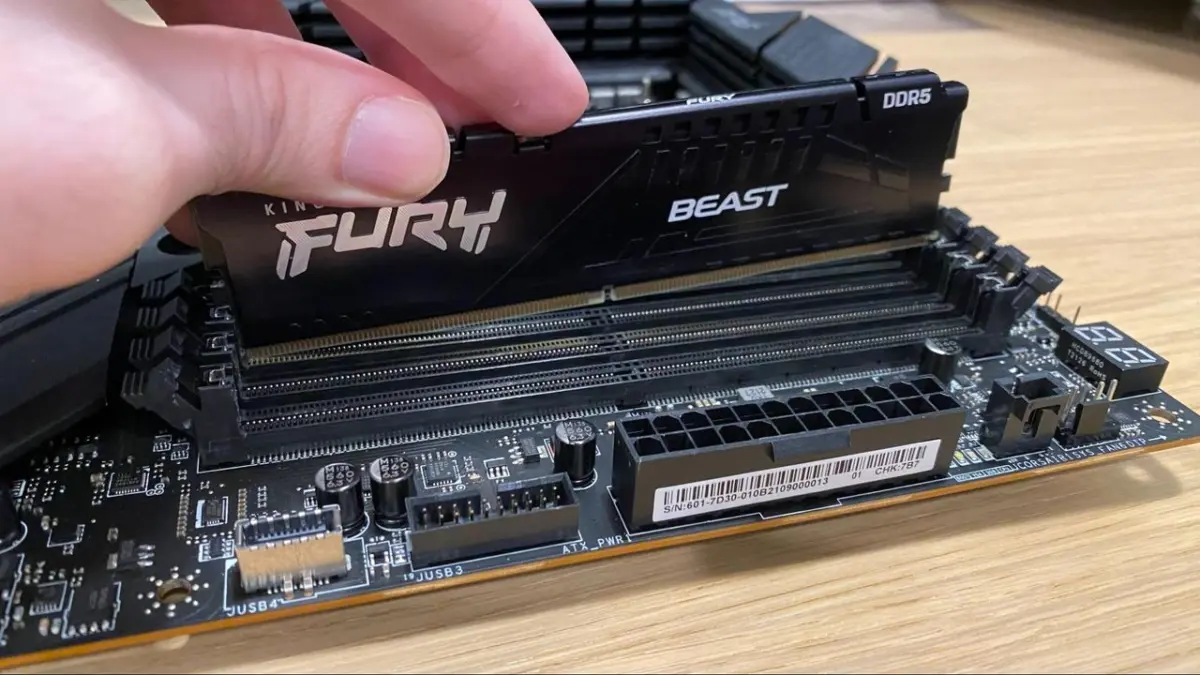
Executive Overview
In the fast-paced ecosystem of consumer computing, standards shift rapidly, but few reversals have been as swift or as revealing as Microsoft’s recent retreat from its own hardware guidelines. Just months after boldly declaring that 32GB of RAM was the gold standard for "future-proof, no-worries" gaming and asserting that 16GB should be the baseline practical minimum for Windows 11, the software giant has quietly deleted the documentation backing these claims.
The abrupt disappearance of Microsoft’s November 2025 blog post, titled "How to optimize your gaming PC setup," from the official Windows Learning Center website has sent ripples through the tech community. For hardware enthusiasts, developers, and everyday consumers alike, the scrubbing of these recommendations is more than just a routine update to support pages. It is a symptom of a much larger, systemic crisis gripping the tech industry: soaring memory prices, tightening component supplies, and a sudden resurgence of entry-level 8GB hardware.
As memory module prices spike and finding affordable DDR4 and DDR5 kits becomes increasingly challenging, PC manufacturers are pivoting away from high-capacity setups to keep notebooks and pre-built systems accessible to budget-conscious buyers. Microsoft, too, has adjusted its hardware strategy, phasing out ultra-budget lines like the Surface Go while reintroducing 8GB base configurations across its premier Surface Pro and Surface Laptop lineups.
To bridge the gap, Microsoft has pledged to aggressively slim down the memory footprint of Windows 11. However, this sudden U-turn forces a fundamental question: Can modern software shed its resource-heavy habits, or are we heading toward an era where basic computing tasks once again feel constrained by hardware limitations?
Detailed Chronology: From Enthusiast Ambitions to Quiet Retraction
To understand the weight of Microsoft’s recent digital redaction, it is necessary to trace the timeline of the company’s shifting hardware messaging throughout 2025 and 2026.
The Peak Memory Era (Late 2025)
For years, the industry enjoyed a period of relative abundance where memory was inexpensive, prompting software developers and operating system architects to lean heavily into resource-heavy development frameworks. By late 2025, system requirements had seemingly settled into a new reality.
In November 2025, Microsoft published a definitive guide on the Windows Learning Center aimed at maximizing gaming performance. Within this post, the company explicitly outlined what it viewed as the new tiers of consumer computing:
- 8GB RAM: Deemed legacy territory, suitable only for the most basic web browsing and office productivity.
- 16GB RAM: Established as the new "practical starting point" for everyday users and casual gamers navigating the multi-tasking demands of Windows 11.
- 32GB RAM: Crowned as the ultimate "future-proof, no-worries" configuration designed specifically for gaming enthusiasts tackling resource-intensive AAA titles laden with heavy graphical mods and background recording utilities.
This guidance aligned neatly with industry trends at the time, which saw games like Cyberpunk 2077, Starfield, and various modern unoptimized ports demanding vast amounts of memory alongside increasingly complex operating system background processes.
The "RAMageddon" and Market Shifts (Early to Mid-2026)
As supply chain pressures intensified in early 2026—dubbed by analysts as a minor "RAMageddon"—the cost of dynamic random-access memory (DRAM) began to climb steeply. The sudden inflation of DDR5 and DDR4 kits disrupted PC builders and laptop manufacturers, who suddenly found themselves grappling with inflated production costs.
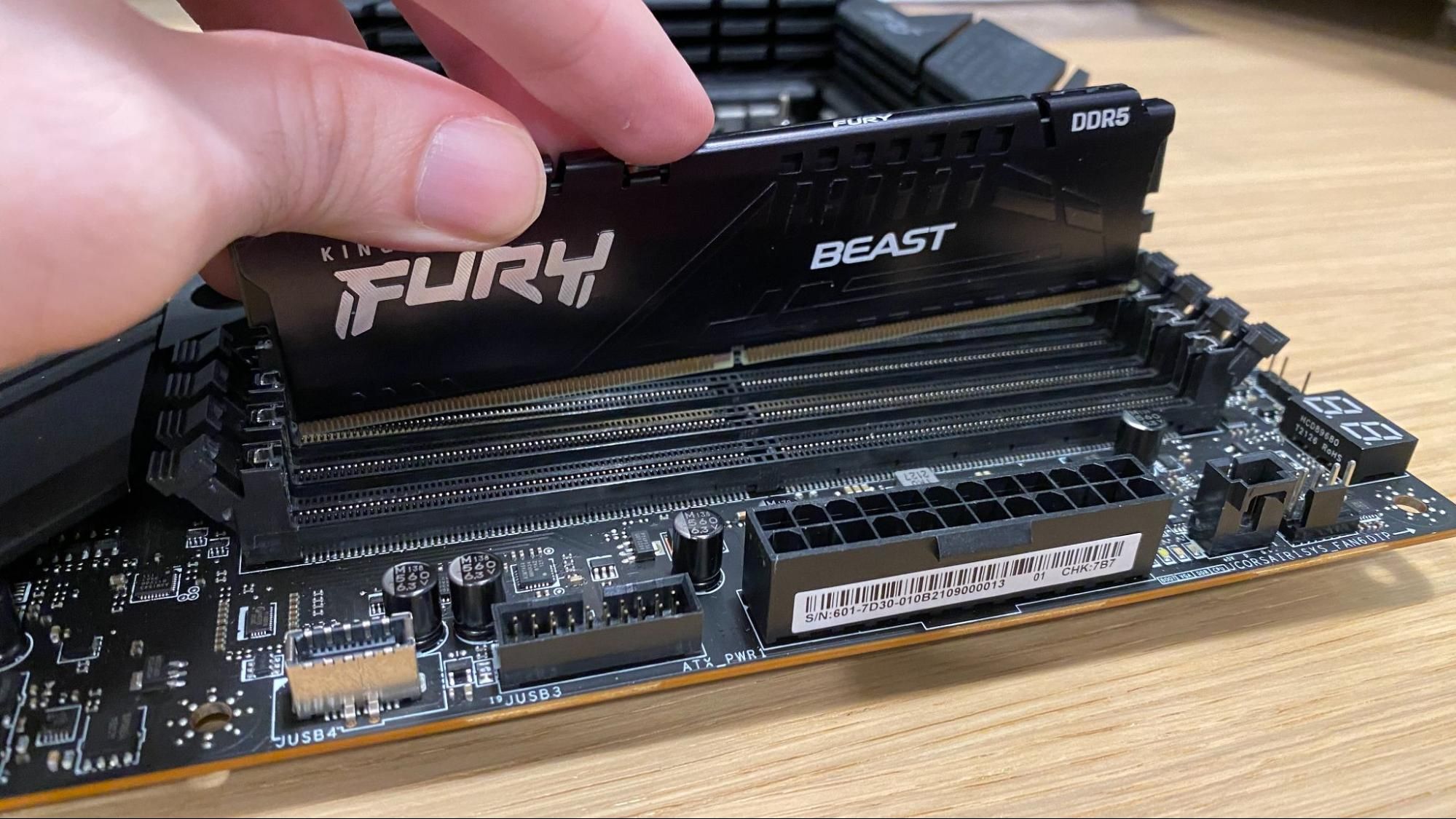
To maintain attractive price points for entry-level and mid-range notebooks, major PC vendors began quietly winding back their memory offerings, bringing 8GB of RAM back into mainstream production lines. Microsoft found itself caught in the middle of this commercial reality. Promoting 32GB as a baseline standard while simultaneously marketing hardware configurations that relied on lower capacities created a stark contradiction in the company’s messaging.
The Digital Scrubbing (August 2026)
The turning point came in August 2026, when tech watchdogs at Windows Latest discovered that Microsoft’s flagship gaming optimization guide had vanished. Attempts to access the URL now result in an automatic redirection to the Windows Learning Center homepage, with no archived redirect or explanatory note provided by the company.
Concurrently, Microsoft adjusted its hardware strategy. Reports confirmed that the company was streamlining its flagship Surface lineup—pruning ultra-budget options like the Surface Go and Surface Laptop Go—while quietly rolling out 8GB base variants for the Surface Pro 12 and Surface Laptop 13 series. The removal of the 32GB endorsement documentation was immediate, calculated, and designed to align official corporate literature with the harsh economic realities of the current hardware market.
Supporting Context & Metrics: The Anatomy of a Memory Shortage
The friction between Microsoft’s ideal software environment and current hardware realities is rooted in how modern operating systems and applications consume memory.
The Weight of Modern Software Frameworks
On paper, the baseline system requirements for Windows 11 remain modest, officially demanding just 4GB of RAM. However, anyone attempting to run a modern Windows 11 installation on 4GB of RAM quickly discovers that the system is virtually unusable for multi-tasking.
The culprit lies in the architectural shift toward web-based application frameworks. Modern operating systems and popular desktop utilities increasingly rely on web technologies like React, Electron, and WebView2. While these tools offer immense convenience and cross-platform flexibility for developers, they are notoriously memory-hungry compared to applications built to run natively on Windows using traditional compiled code.
When memory was cheap and plentiful, this overhead went largely unnoticed. Consumers could easily upgrade their desktop motherboards with an extra pair of sticks, or purchase laptops pre-configured with generous memory buffers for a nominal fee. Today, however, with the memory price index reflecting sustained highs across both DDR4 and DDR5 sectors, consumers no longer have the luxury of cheaply brute-forcing performance issues with hardware upgrades.
Historical Parallels: Coding for "Potato Hardware"
The current crisis forces the software industry to confront a philosophy it largely abandoned over two decades ago: extreme software optimization.
During the 1980s and 1990s, hardware constraints were an inescapable reality for every software engineer. Veteran Microsoft programmers often recount the era when every engineer was issued a stopwatch to ensure that software operations completed within strict time limits, even on severely limited hardware.
Consider the creation of the original Windows Task Manager. Built by a single engineer who also engineered native ZIP file support into Windows, the utility was famously constrained to a mere 80KB in size. This microscopic footprint ensured that the diagnostic tool could launch instantaneously and run smoothly even on severely underpowered "potato" hardware of the 1990s.
As memory modules become increasingly expensive, industry observers argue that developers must return to these disciplined optimization roots, trimming memory bloat to ensure that software remains functional for users stuck on constrained systems.
Official Statements and Industry Response
Microsoft has not issued a formal press release explaining why it deleted the 32GB recommendation post, preferring a quiet editorial sweep over a public statement. However, the company’s broader policy shifts offer clear insight into its strategy.
In response to the component shortage and the return of 8GB laptops, Microsoft leadership has vowed to make Windows 11 "fly" on 8GB of RAM. Engineering teams have reportedly initiated sweeping optimization efforts aimed at reducing the operating system’s baseline memory footprint before the end of the year.
Hardware manufacturers caught in the crossfire have echoed similar sentiments. In statements to industry analysts, major laptop vendors noted that consumer demand for sub-$800 laptops remains robust, making the preservation of 8GB configurations an economic necessity. By lowering memory thresholds on entry-level models, manufacturers can shield consumers from the full brunt of rising component costs—provided that Microsoft delivers on its promise to lighten the operational load of Windows 11.
Future Outlook: The Road Ahead for Windows 11 and PC Gaming
The quiet removal of the 32GB RAM recommendation marks a fascinating watershed moment for Windows 11. It highlights the delicate dance software developers must perform between pushing technological boundaries and respecting the economic boundaries of the consumer base.
Several critical trends will define the landscape over the coming year:
- The Optimization Imperative: With RAM prices remaining volatile, software developers can no longer rely on users casually upgrading their way out of poor performance. Expect increased scrutiny on memory leaks, background telemetry overhead, and the reliance on heavy web-based wrappers for core desktop applications.
- The 8GB Survival Test: Microsoft’s upcoming operating system optimizations will face intense testing. If Windows 11 can genuinely deliver a fluid user experience on 8GB systems, the company will successfully weather the current hardware crunch. If not, consumer frustration will likely mount.
- The Competitive Landscape: While Windows maintains an overwhelming market share, agile competitors like Linux and macOS are watching closely. Linux distributions, known for their remarkably low resource footprints, stand to attract disgruntled power users and developers looking to escape heavy operating system overhead.
- Enthusiast Resilience: Hardcore gamers and power users targeting 32GB or 64GB setups will likely have to absorb higher costs in the short term, treating memory as a long-term investment rather than an easily disposable commodity.
Ultimately, Microsoft’s digital redaction is a humbling reminder that software ecosystems are inextricably bound to physical supply chains. Whether this memory crunch forces a permanent renaissance in lean, efficient coding remains one of the most compelling storylines in modern tech.
