

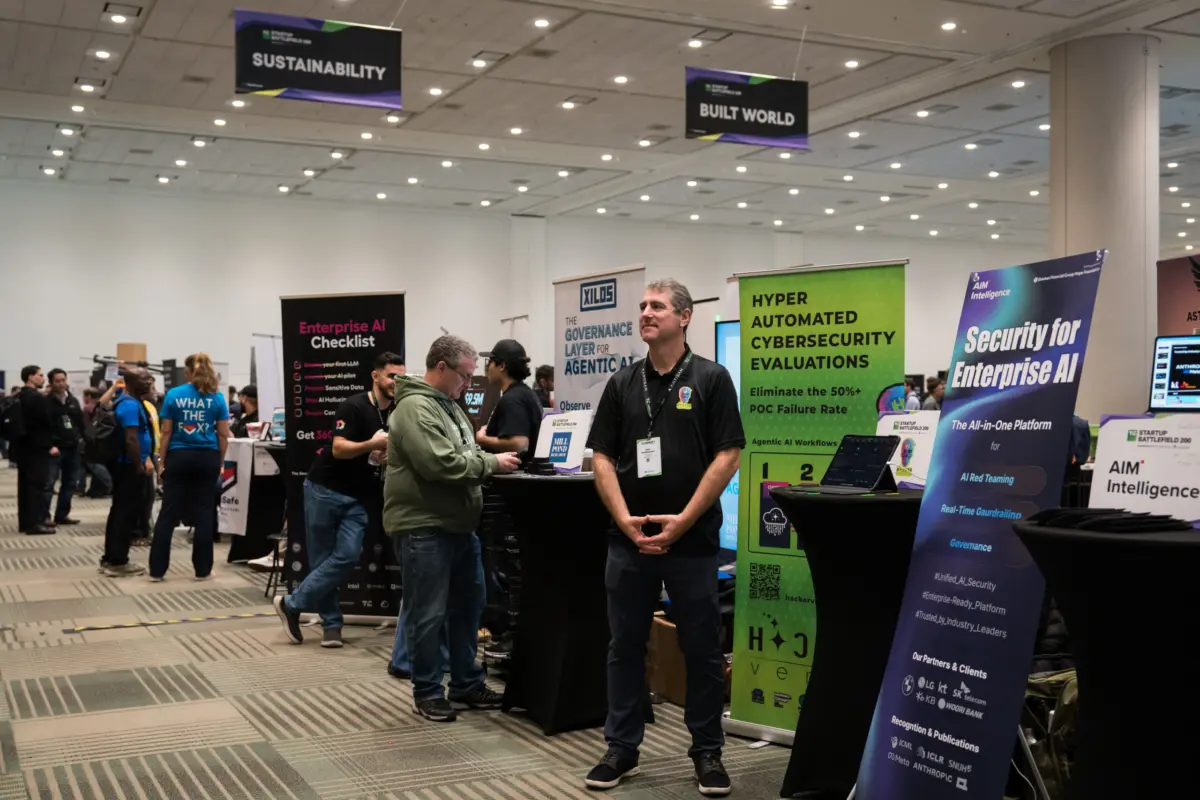
SAN FRANCISCO — For decades, the tech industry’s narrative has been dictated by the glitz and high-production value of keynote sessions. The prevailing wisdom suggested that if a startup wanted to make a splash, it needed to command the mainstage, deliver a polished pitch under blinding lights, and capture the fleeting attention of global media headlines. But as the startup ecosystem matures, a seismic shift is underway. Founders, venture capitalists, and industry operators are increasingly realizing that the most consequential deals, partnerships, and customer acquisitions rarely happen under the glare of the spotlight. Instead, they happen on the ground—face-to-face, conversation by conversation, in the bustling aisles of the Expo Hall.
As the tech world turns its collective gaze toward San Francisco for TechCrunch Disrupt 2026—scheduled for October 13–15 at the iconic Moscone Center West—organizers are doubling down on this grassroots philosophy. You do not need a keynote slot to make noise at Disrupt. In fact, for many early- and growth-stage companies, the most direct path to sustainable momentum lies right on the exhibition floor through the event’s dedicated Exhibit Program.
Priced starting at $12,500, these limited-availability exhibit tables offer an immersive platform for startups looking to bypass the noise and place their innovations directly in front of the exact room that matters: investors actively sourcing deals, enterprise operators evaluating next-generation tools, and founders scouting strategic alliances. However, with inventory strictly capped and a final deadline looming on September 25, the race for floor space has transformed into a high-stakes scramble for visibility.
Executive Overview: The Strategic Shift Toward Experiential Floor Engagement
The modern tech conference has evolved from a passive listening exercise into an active, high-velocity marketplace. In a crowded ecosystem saturated with digital pitches, asynchronous demos, and virtual meetings, the value of physical proximity has skyrocketed. TechCrunch Disrupt 2026 aims to capitalize on this renaissance of in-person engagement by optimizing the Expo Hall experience.
For emerging companies operating on lean budgets and tight timelines, securing a keynote spot is often statistically improbable and financially inefficient. Keynotes offer broadcast reach, but exhibit tables offer conversion depth. On the Expo floor, founders are not just presenting a vision; they are testing product-market fit in real-time, observing immediate body language, handing out live product demos, and securing follow-up meetings before the convention center lights even dim.
The Exhibit Program is specifically engineered to maximize return on investment (ROI). Beyond securing physical real estate in the heart of Moscone West, participating startups receive a package of bundled benefits—including critical event passes that allow multiple team members to scour the floor, attend networking sessions, and engage in investor matchmaking.
Detailed Chronology: The Road to Moscone West 2026
The lead-up to TechCrunch Disrupt 2026 represents a carefully orchestrated timeline designed to give participating startups maximum runway to prepare their physical activations.
- Early Planning Phase (Q1–Q2 2026): Organizers finalized the floor layout for Moscone Center West, emphasizing high-traffic corridors and designated networking zones to ensure optimal foot traffic for exhibitors across all sectors—from artificial intelligence and fintech to climate tech and cybersecurity.
- The Rollout of the Exhibit Program (Mid-2026): TechCrunch formally opened applications for the Exhibit Tables. Recognizing the post-pandemic hunger for tactile, experiential marketing, early demand outpaced previous years by a significant margin, driven largely by bootstrapped and Seed-to-Series A startups seeking high-impact visibility.
- The Final Stretch (August–September 2026): With the event fast approaching in October, the window for securing a physical presence is narrowing rapidly. Organizers announced that the exhibit inventory is strictly limited, with a hard cutoff set for September 25 at 11:59 p.m. PT—or whenever the remaining tables officially sell out, whichever comes first.
- The Main Event (October 13–15, 2026): Over three intensive days, Moscone West will transform into a crucible of innovation, where thousands of founders, investors, and technologists converge to test ideas, forge partnerships, and shape the technological horizon of the coming decade.
Supporting Context & Metrics: Why the Expo Floor Delivers ROI
To understand why startups are willing to invest $12,500 and upwards for a patch of real estate in the Moscone West Expo Hall, one must examine the shifting economics of venture acquisition and B2B tech sales.
1. Concentrated Capital and Decision-Makers
TechCrunch Disrupt is not merely a tech convention; it is a dense concentration of decision-makers. Historical data from past Disrupt iterations indicates that a significant percentage of attendees hold C-suite titles, founding roles, or partner-level status at venture capital firms. For an early-stage startup, securing meetings with fifty relevant investors or enterprise buyers through cold outreach can take months of grueling email campaigns and LinkedIn networking. An exhibit table places that same volume of high-value targets within arm’s reach over the course of 72 hours.
2. The Power of Live Product Demonstration
In software, hardware, and emerging AI tooling, description often falls short of execution. While a slide deck can articulate a vision, a live demo proves viability. Exhibit tables provide the physical and digital infrastructure necessary to let products speak for themselves. Whether it is a developer showcasing a new API latency benchmark or a hardware startup displaying physical prototypes, tactile interaction accelerates the trust-building process with prospective clients.
3. Team Integration and Multi-Threaded Networking
One of the hidden advantages of the Exhibit Program is the inclusion of additional passes. Networking is rarely a solo endeavor; successful companies know that having multiple team members deployed across the floor—simultaneously pitching at the table, attending breakout sessions, and hunting for investors—magnifies the company’s footprint. It transforms a passive exhibition into an active, multi-pronged business development campaign.
Official Perspectives and Industry Insights
Industry veterans and past participants consistently point to the Expo Hall as the unsung hero of the Disrupt experience.
"When we exhibited a few years ago, we didn’t go in expecting to win a pitch competition," reflects a serial entrepreneur and past Disrupt exhibitor. "We went in with a goal: get our product into the hands of fifty target customers and three lead investors. By day two, we had blown past those metrics simply because people walking the aisles were genuinely curious, deeply knowledgeable, and looking to solve immediate pain points. You can’t replicate that kind of organic discovery online."
Event organizers emphasize that the curated nature of the Expo Hall is intentional. By maintaining strict caps on the number of available tables, TechCrunch ensures that the floor does not become an unwieldy maze of indistinguishable booths. Instead, it remains a high-density zone of quality innovation, where every exhibitor has a fighting chance to capture mindshare.
Future Outlook: The Evolution of Startup Conferences in an AI-Driven Era
As artificial intelligence and automated tools streamline digital marketing and lead generation, the physical components of tech conferences are undergoing a fascinating renaissance. When software can instantly generate emails, landing pages, and pitch decks, human presence and physical validation become the ultimate differentiators.
Looking ahead toward the late 2020s, events like TechCrunch Disrupt are poised to serve as vital anchor points for an increasingly decentralized tech workforce. While remote work and distributed teams have liberated talent geographies, they have simultaneously heightened the hunger for periodic, high-impact physical convergence.
For founders navigating the current economic climate, the decision to exhibit at Disrupt 2026 is more than a line item on a marketing budget—it is an investment in serendipity. It is an acknowledgment that behind every term sheet, enterprise contract, and co-founder partnership is a human conversation that started with someone walking down an aisle, stopping at a table, and asking a simple question: "So, what are you building?"
Secure Your Place Before Time Runs Out
With table inventory dwindling and the hard deadline approaching on September 25 at 11:59 p.m. PT, founders are urged to act decisively. Whether you choose to claim your spot on the Expo Hall floor or opt for discounted general admission tickets to survey the landscape, TechCrunch Disrupt 2026 promises to be a defining milestone for the next wave of technological innovation.
