

Executive Overview
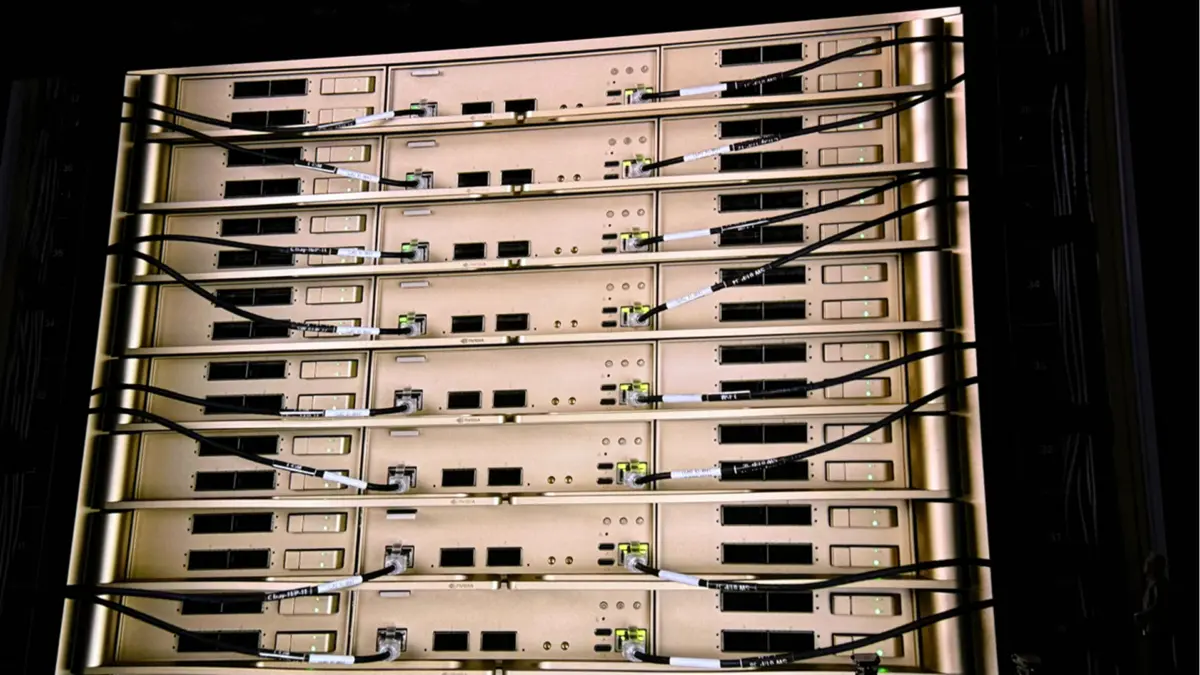
In an aggressive move that underscores the unrelenting pressure of global hardware component shortages, semiconductor titan Nvidia has reportedly informed its largest enterprise customers that prices for its next-generation artificial intelligence server stacks will surge by more than 15%. According to internal communications leaked via industry channels, the price hikes will take effect starting early next year, directly impacting upcoming deployments of the company’s bleeding-edge Grace Blackwell and newly announced Vera Rubin architectures.
The impending cost adjustments are not isolated incidents; rather, they serve as the latest symptom of a broader, industry-wide crisis dubbed "RAMageddon." Driven by an unprecedented structural bottleneck in the Dynamic Random-Access Memory (DRAM) and High-Bandwidth Memory (HBM) sectors, component costs have spun out of control. Memory makers have heavily reallocated manufacturing capacity toward high-margin AI packages, inadvertently starving the consumer market while driving up production costs for enterprise hardware.
For major data center operators and hyperscalers—including tech giants like Microsoft, Google, and Oracle—this means that building out the infrastructure required to power the next generation of generative AI models will become significantly more expensive. With rack-scale systems already commanding multi-million-dollar price tags, a 15% across-the-board increase adds hundreds of thousands of dollars per rack, further testing the financial limits of even the world’s most cash-rich enterprises.
Detailed Chronology: The Escalating Crisis
To understand how Nvidia’s enterprise clients arrived at this precarious juncture, it is vital to trace the compounding pressures that have transformed the global semiconductor supply chain over the past twenty-four months.
The Shift Toward AI Supremacy
The roots of the current crisis trace back to the explosion of generative AI models following late 2022. As enterprises rushed to train massive Large Language Models (LLMs), demand for Nvidia’s specialized graphics processing units (GPUs) skyrocketed. To sustain these workloads, hardware requirements evolved rapidly, shifting away from standard desktop memory configurations to denser, faster, and vastly more complex memory architectures—most notably High-Bandwidth Memory (HBM).
The Capacity Pivot and the Consumer "RAMageddon"
Throughout 2024 and 2025, major memory manufacturers—predominantly SK hynix, Samsung, and Micron—made calculated strategic decisions to pivot manufacturing lines away from commodity DRAM and toward HBM and high-capacity enterprise server modules.
The consequences for the broader technology ecosystem were swift and severe. By late 2025, the consumer hardware market entered a state of emergency. Mainstream DDR5 memory pricing skyrocketed; a standard 32GB DDR5-6000 kit that once retailed comfortably between $110 and $140 surged past $390 by mid-2026. Industry analysts coined the term "RAMageddon" to describe a new normal where historical memory pricing baselines were permanently discarded.
Selling Out 2026 Production
By October 2025, the writing was on the wall. Memory giants announced that their entire HBM production capacities for the upcoming year were completely sold out. Recognizing the intense demand, Samsung and SK hynix implemented aggressive price hikes of nearly 20% on HBM3E supply contracts before 2026 even began.
Nvidia’s Consumer Price Adjustments
As component costs escalated, hardware vendors could no longer absorb the blow. Earlier this month, Nvidia officially passed surging production costs down to retail consumers, implementing sharp price increases of up to 39% across its GeForce RTX 50-series graphics cards on platforms like Newegg. The RTX 5070 and RTX 5060 saw median price bumps of 36% and 27%, respectively.
The Enterprise Shockwave
With retail consumers already absorbing hardware inflation, leaked reports revealed that Nvidia has now turned its attention to the enterprise tier. Contract manufacturers responsible for building servers for major cloud providers have begun notifying their clients of upcoming price hikes exceeding 15% for Grace Blackwell and Vera Rubin server stacks scheduled to ship next year.
Supporting Context & Metrics: The Math Behind the Hikes
The staggering price adjustments on Nvidia’s enterprise servers are directly tied to the physical and economic realities of modern chip packaging. AI accelerators are no longer just standalone processors; they are massive, interconnected systems heavily reliant on advanced memory and packaging technologies.
The Heavy Memory Loadouts of Modern AI
Modern AI workloads demand staggering amounts of fast memory to prevent data starvation during training and inference phases.
- The Vera Rubin GPU: Nvidia’s next-generation Rubin architecture is designed to ship with up to 288GB of HBM4 memory per package.
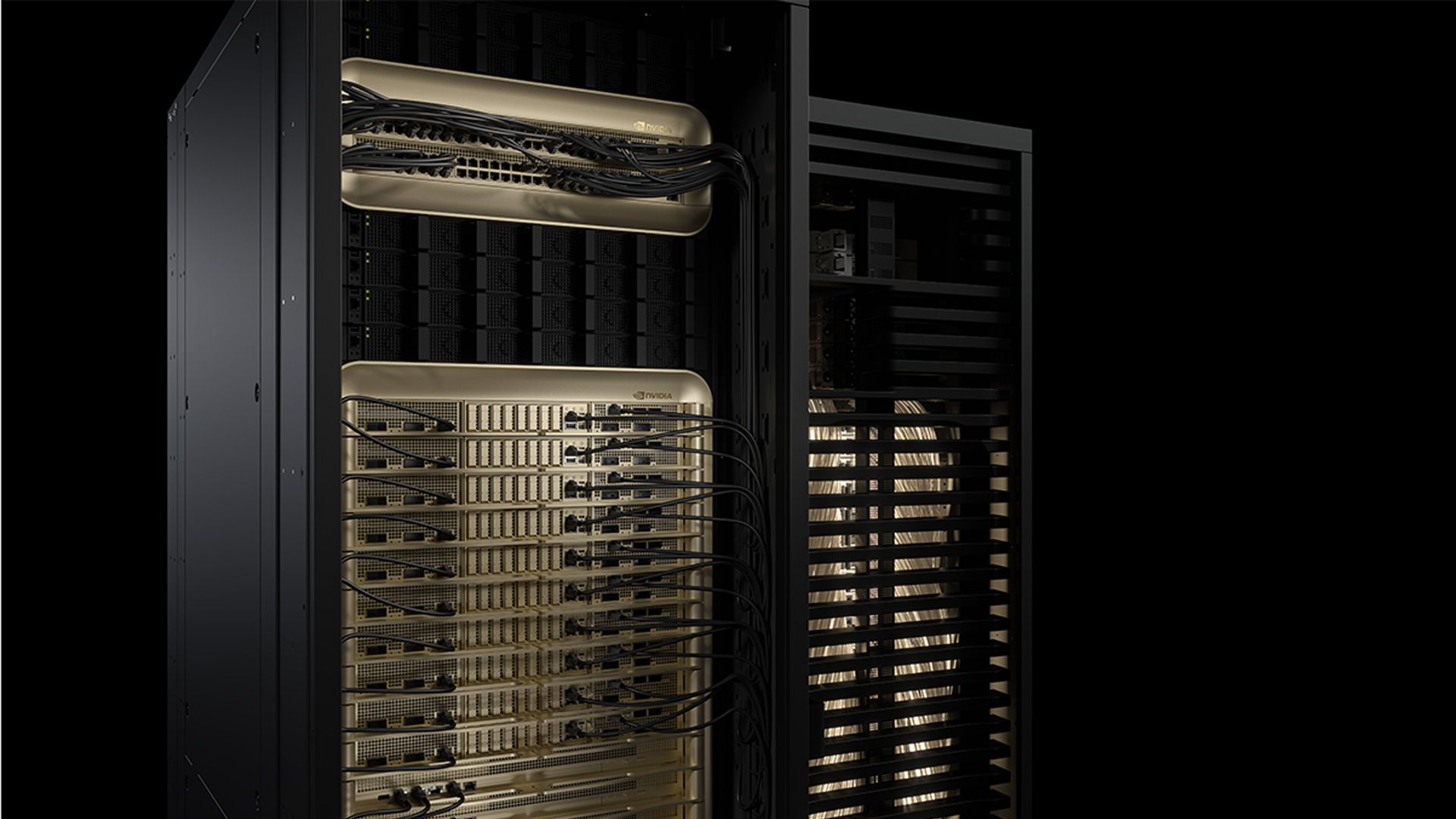
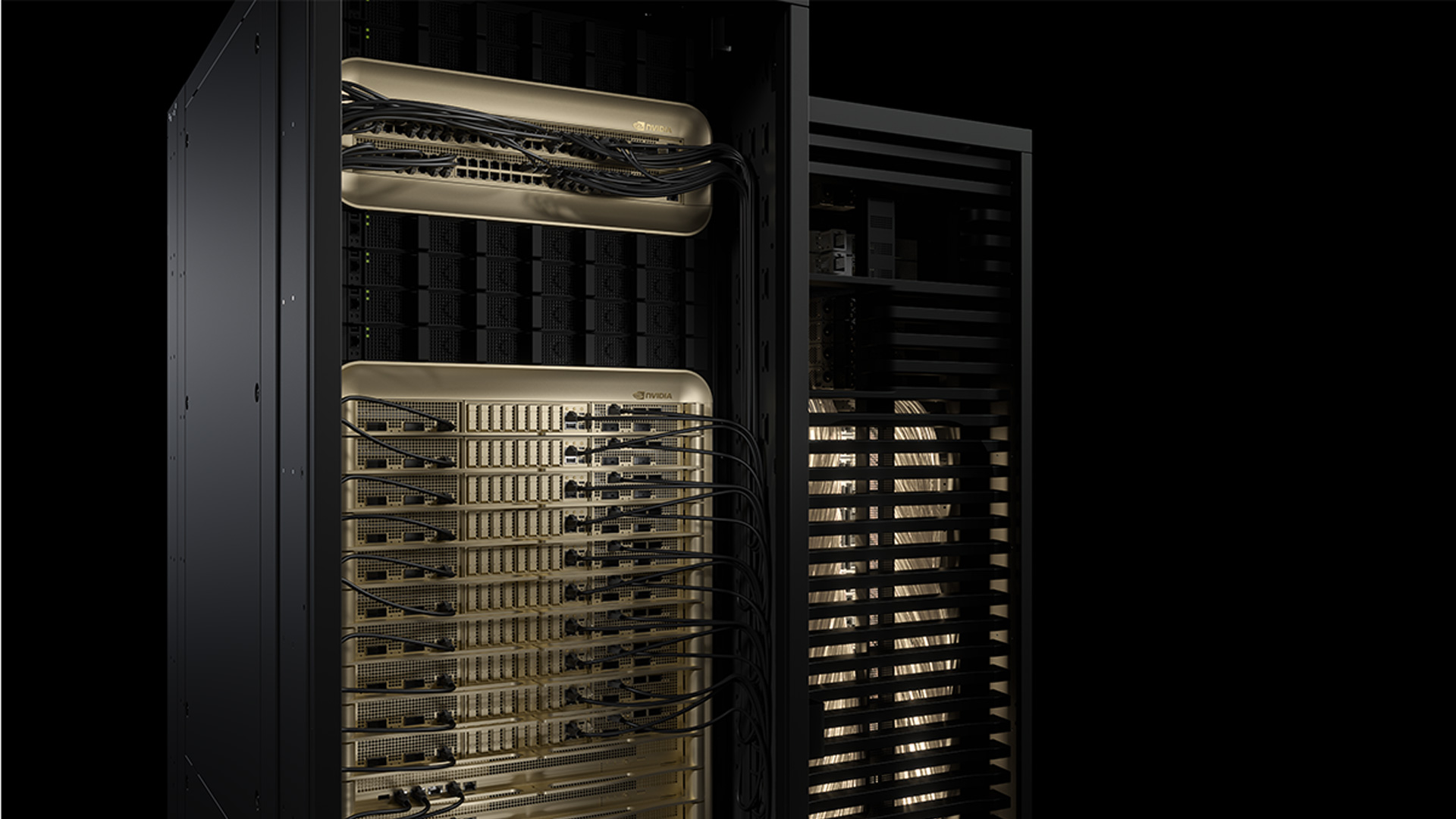
- The NVL72 Rack-Scale System: Scaling up to enterprise data center requirements, the NVL72 architecture combines 72 of these powerful GPUs within a single rack. This configuration packs more than 20TB of HBM into a single chassis—before even factoring in the LPDDR memory attached to the system’s Vera CPUs.
Wafer Area and Manufacturing Constraints
Manufacturing HBM is exceptionally resource-intensive. Producing high-density HBM consumes roughly four times the wafer area compared to equivalent volumes of conventional consumer DRAM. Because HBM requires advanced packaging techniques—such as TSV (Through-Silicon Via) stacking and hybrid bonding—production yields are more delicate, and factory throughput is severely limited.
Consequently, memory has transformed from a fractional line item into one of the single most expensive components in an AI server’s bill of materials (BOM).
The TSMC Bottleneck and Gross Margins
Compounding the memory crisis is the ongoing strain at Taiwan Semiconductor Manufacturing Company (TSMC), which handles the foundational wafer fabrication for Nvidia’s flagship accelerators. With TSMC wafer pricing continuing to tick upward and demand drastically outstripping available foundry capacity, buyers have virtually zero market leverage.
Meanwhile, Nvidia continues to maintain a non-GAAP gross margin hovering around 75%—one of the highest profitability metrics in the entire technology sector. By opting to pass memory cost inflation directly onto customers rather than absorbing it into their own margins, Nvidia is flexing its market dominance, confident that hyperscalers have nowhere else to turn.
Official Statements and Industry Reactions
While Nvidia has declined to officially comment on unreleased internal pricing communications leaked to Bloomberg, representatives from contract server manufacturers and major industry analysts have provided critical clarity on the shifting landscape.
Industry insiders note that the price hikes are calculated dynamically, with the exact percentage increase varying depending on the specific chip generation (Blackwell versus Rubin) and the precise memory capacity configuration requested by the client.
During prior earnings calls, executives from major memory suppliers have defended their pricing strategies by highlighting the immense R&D and capital expenditure required to transition fabrication plants to next-generation nodes. SK hynix leadership previously noted that the insatiable appetite for AI memory has fundamentally altered supply dynamics, stating that traditional cyclical downturns in the memory market have been effectively supplanted by a permanent structural deficit.
Meanwhile, enterprise hardware analysts emphasize that while tech giants possess deep financial reserves, a 15% markup on multi-million-dollar server deployments introduces severe budget reallocations. For companies scaling up massive AI clusters containing thousands of server racks, these unexpected adjustments represent a multimillion-dollar hurdle to their capital expenditure (CapEx) forecasts.
Future Outlook: Where Does the Industry Go From Here?
As the technology sector looks toward late 2026 and beyond, the looming question is whether these persistent cost increases will permanently alter the economics of artificial intelligence deployment, or trigger a shift in vendor loyalty.
Will Hyperscalers Pivot?
The critical variable moving forward is how major cloud providers—Microsoft, Google, Amazon Web Services, and Meta—will respond to Nvidia’s pricing power.
- AMD’s MI Series: Advanced Micro Devices (AMD) has positioned its competing Instinct accelerators as a viable, cost-effective alternative to Nvidia’s ecosystem. However, AMD faces its own supply chain constraints, as it relies on the exact same constrained TSMC manufacturing lines and draws its HBM supplies from the same three primary memory manufacturers (SK hynix, Samsung, and Micron).
- Custom Silicon: Many hyperscalers have invested heavily in designing their own application-specific integrated circuits (ASICs), such as Google’s TPUs and Amazon’s Trainium chips. While these custom solutions reduce reliance on Nvidia for specific internal workloads, they still face the exact same raw material and high-end memory supply bottlenecks.
The Long-Term Viability of AI Infrastructure Expansion
For smaller enterprises and startups, the trickle-down effect of these hardware price hikes could prove prohibitive, potentially consolidating AI development power even further into the hands of a few well-capitalized tech monopolies. If the cost of renting or deploying dedicated infrastructure continues to escalate, return-on-investment (ROI) timelines for generative AI products will lengthen considerably, forcing executive boards to scrutinize their AI budgets much more rigorously.
Ultimately, Nvidia’s decision to raise server stack prices by 15% demonstrates that the golden era of cheap, easily accessible computing power is firmly behind us. As long as the world’s insatiable demand for artificial intelligence outpaces the physical limits of semiconductor fabrication and memory packaging, the cost of building the future will only continue to rise.
