

Executive Overview
The pharmaceutical industry is standing on the precipice of its most significant paradigm shift since the dawn of synthetic chemistry. For over a century, the pursuit of new medicines has been characterized by a brutal, high-stakes arithmetic: a single drug candidate can take upwards of a decade to develop, incur billions of dollars in research and development expenses, and still face a clinical failure rate exceeding 90 percent. When the focus shifts to biologic medicines—complex, large-molecule therapies engineered from living proteins rather than synthesized from chemical compounds—these scientific and financial hurdles scale exponentially.
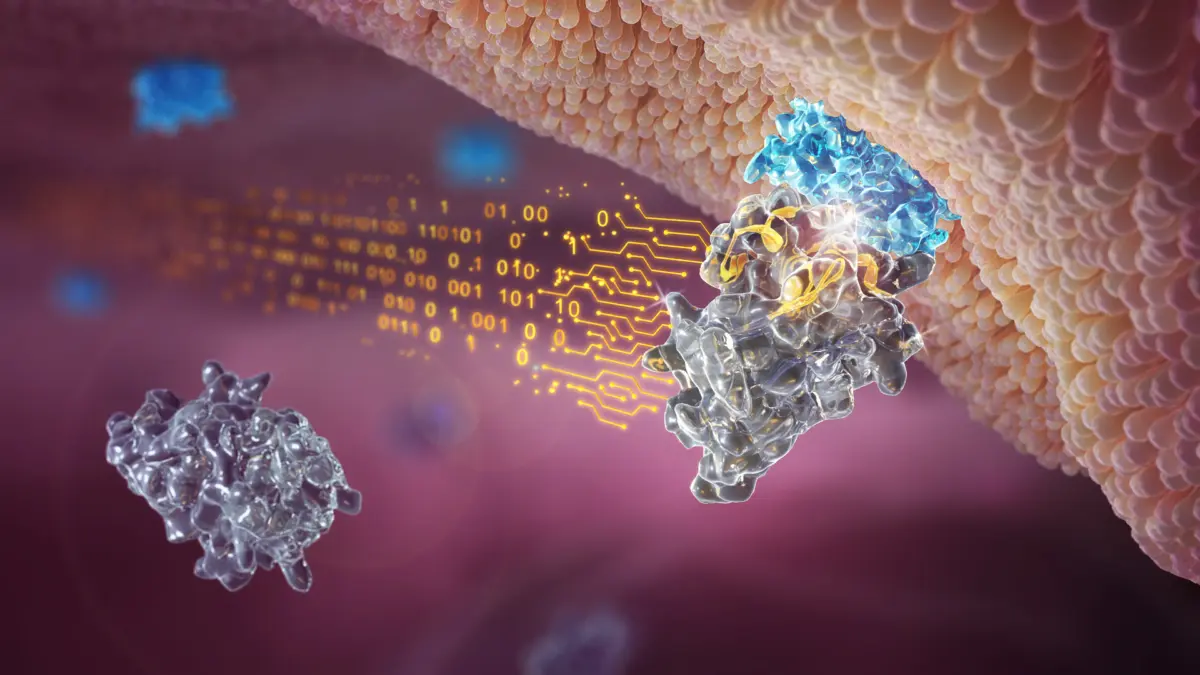
To overcome these challenges, global biopharmaceutical pioneer AstraZeneca is fundamentally re-engineering the drug discovery pipeline. By integrating advanced artificial intelligence (AI), machine learning, and closed-loop robotic automation, the company is transitioning from traditional, observation-based screening to an era of predictive, computational design. This technological evolution is spearheaded by AstraZeneca’s biologics engineering division, which is actively building a proprietary computational infrastructure to compress discovery timelines, optimize molecular safety, and target disease pathways previously deemed "undruggable."
At the center of this transformation is a closed-loop "lab of the future" in Kendall Square (Cambridge, Massachusetts), where autonomous AI agents and robotic hardware interact in a continuous feedback loop. By utilizing generative AI to design molecules de novo (from scratch) and deploying virtual clinical trials on micro-scale organ models, AstraZeneca is aiming to slash traditional discovery timelines by up to 50 percent. This investigative report explores the technological architecture, data strategies, and human-machine collaboration driving this modern pharmaceutical revolution.
Detailed Chronology: The Evolution of Biologics R&D
To understand the magnitude of the AI-driven transition, it is essential to trace the historical progression of pharmaceutical discovery from manual experimentation to autonomous computational engines.
+---------------------------------------------------------------------------------+
|                                 HISTORICAL PATHWAY                              |
+---------------------------------------------------------------------------------+
| Phase 1: Small Molecule Chemistries (Serendipity & High-Throughput Screening)   |
|                                        │                                        |
| Phase 2: Biologics & Recombinant DNA (Engineered Proteins, Monoclonal Antibodies)|
|                                        │                                        |
| Phase 3: Computational Enhancement (Structure Prediction, In Silico Modeling)    |
|                                        │                                        |
| Phase 4: Autonomous Closed-Loop Systems (Agentic AI, De Novo Protein Synthesis) |
+---------------------------------------------------------------------------------+
Phase 1: The Era of Small Molecule Chemistries
Historically, drug discovery relied on small molecule chemistry. Scientists utilized high-throughput screening (HTS) to test vast libraries of existing chemical compounds against biological targets. This process was largely trial-and-error, dependent on physical screening and serendipity. While highly successful for simple diseases, small molecules often lacked the specificity required for complex, multi-pathway conditions, such as advanced cancers and autoimmune disorders.
Phase 2: The Biologics Revolution
The advent of recombinant DNA technology in the late 20th century unlocked the era of biologics. Rather than relying on simple synthetic chemistry, researchers began engineering complex proteins, such as monoclonal antibodies, to target specific cell receptors. Biologics offered unprecedented precision, but their manufacturing and structural complexity were immense. Designing these large-molecule therapies required navigating an astronomical number of potential amino acid sequences and structural configurations—far exceeding the capacity of human computation.
Phase 3: Computational Enhancement and the "Build-Measure-Learn" Loop
With the rise of machine learning, pharmaceutical companies began transitioning from manual molecular design to computationally enhanced workflows. AstraZeneca pioneered the institutionalization of the "build-measure-learn" loop. In this phase, AI models began prioritizing candidate molecules in silico (on computers), predicting which structural designs would yield the highest binding affinity and stability. Physical laboratory resources were reserved exclusively for top-ranked candidates, reducing experimental dead ends and accelerating development cycles.
Phase 4: The Autonomous Closed-Loop Era
Today, the industry is entering the fourth phase: the autonomous discovery engine. Rather than relying on human scientists to manually bridge the gap between computational prediction and laboratory validation, AstraZeneca is deploying unified, robotic-computational ecosystems. In this phase, AI models design candidates, robotic platforms synthesize and test them, and the resulting experimental data is instantly ingested to retrain the underlying AI models without human intervention.
Supporting Context & Metrics: Quantifying the Drug Discovery Bottleneck
The economic and scientific drivers behind AstraZeneca’s computational pivot are backed by industry metrics. Traditional drug development is bottlenecked by three primary constraints: cost, time, and molecular complexity.
The Economics of Drug Discovery
According to industry benchmarks, the capitalized cost of bringing a single new therapeutic to market averages between $2.6 billion and $3 billion. This figure reflects the high cost of clinical failure: for every drug that successfully navigates clinical trials and receives regulatory approval, thousands of viable candidates are discarded due to unforeseen toxicities, poor stability, or lack of efficacy in human subjects.
+-------------------------------------------------------------------+
|               TRADITIONAL VS. AI-ACCELERATED R&D                  |
+-------------------------------------------------------------------+
| METRIC                    | TRADITIONAL METHOD | AI-DRIVEN SYSTEM |
+---------------------------+--------------------+------------------+
| Average Timeline to Phase | 5–6 Years          | 2.5–3 Years      |
| Discovery Phase Cost      | High ($$$$)        | Optimized ($$)   |
| Candidate Success Rate    | Low (< 10%)        | Significantly    |
|                           |                    | Improved         |
+---------------------------+--------------------+------------------+
The McKinsey Projection
Analysis by McKinsey & Company estimates that the integration of generative AI and advanced computational tools could compress drug discovery timelines by as much as 50 percent. In practical terms, this could reduce the pre-clinical discovery phase from five to six years down to less than three. This shift would allow life-saving therapies to reach patients years ahead of schedule while significantly reducing the overhead costs of drug development.
The Power of the "Data Moat"
AI models are only as effective as the datasets on which they are trained. While public databases provide a foundation, they lack the granularity, standardization, and proprietary insights required to train highly predictive frontier models.
To overcome this, AstraZeneca has cultivated a proprietary, multimodal "data moat." This structured data repository includes:
- High-Resolution Molecular Structures: Detailed 3D maps of target proteins and therapeutic candidates.
- Binding Affinity and Kinetic Measurements: Quantitative data on how tightly and rapidly a molecule binds to its target.
- In Vivo Safety and Pharmacokinetic Profiles: Historic records of how molecules behave within complex biological systems.
- Scalable Manufacturing Outcomes: Proprietary metrics indicating whether a designed protein can be reliably manufactured at commercial scale.
Official Statements and Strategic Insights
The strategic vision guiding AstraZeneca’s transition is anchored by its scientific leadership. Puja Sapra, Senior Vice President and Head of R&D Biologics Engineering and Oncology Targeted Discovery at AstraZeneca, emphasizes that computation is no longer an optional add-on, but rather the foundation of their modern workflow.

"Everything we do, whether it’s design, make, test, or analyze, is now computationally enhanced," Sapra explains. "The cycle times are getting shorter while productivity and innovation increase."
This systematic optimization is particularly critical when tackling highly complex, next-generation biologics. While traditional biologics typically target a single disease pathway, next-generation therapies are designed to hit multiple targets simultaneously or deliver cytotoxic payloads directly to specific cells (such as antibody-drug conjugates).
"Drugging the undruggable is becoming a reality," Sapra notes. "These technologies will eventually enable us to develop medicines against targets once thought impossible to reach. The potential for benefit to patients is remarkable."
+-----------------------------------------------------------------------------------+
|                        ASTRAZENECA'S CLOSED-LOOP DISCOVERY ENGINE                 |
+-----------------------------------------------------------------------------------+
|                                                                                   |
|      ┌─────────────────────────── AI MODEL ──────────────────────────┐            |
|      │  Generates novel molecular designs & predicts safety/potency  │            |
|      └───────────────────────────────┬───────────────────────────────┘            |
|                                      │ (Design Output)                            |
|                                      ▼                                            |
|      ┌────────────────────── ROBOTIC AUTOMATION ─────────────────────┐            |
|      │  Executes high-throughput synthesis & microfluidic testing    │            |
|      └───────────────────────────────┬───────────────────────────────┘            |
|                                      │ (Experimental Signals)                     |
|                                      ▼                                            |
|      ┌────────────────────── DATA PIPELINE ──────────────────────────┐            |
|      │  Ingests real-time results, refines & retrains the AI model   │            |
|      └───────────────────────────────────────────────────────────────┘            |
+-----------------------------------------------------------------------------------+
To operationalize this, AstraZeneca is leveraging its automated facility in Kendall Square, Cambridge, Massachusetts. Sapra compares this closed-loop system to autonomous vehicle technology:
"Where a self-driving car uses sensors and models to navigate its environment, this system uses AI to make predictions, robotic systems to execute experiments, and instruments to generate data. This will generate AI-ready data at a scale that traditional workflows cannot match."
Future Outlook: De Novo Synthesis and Agentic Workflows
As AstraZeneca continues to refine its computational infrastructure, the long-term objective of the biologics division is clear: transition entirely to de novo design.
Generating Medicines from Scratch
In traditional drug discovery, researchers must start with a naturally occurring antibody or protein template and make iterative modifications to optimize its properties. In a true de novo design paradigm, an engineer inputs a specific set of target parameters—such as the desired binding site, stability profile, and manufacturing constraints—and a generative AI model designs an entirely new, non-natural protein sequence optimized to meet those exact criteria.
Solving the Safety Bottleneck with Virtual Clinical Trials
The primary hurdle to realizing de novo design is predicting safety. While an AI can design a protein that binds to a disease target in a simulated environment, predicting how that synthetic protein will interact with the complex biological systems of a human patient remains incredibly challenging.
AstraZeneca is addressing this bottleneck by pairing advanced machine learning with physical, micro-scale testbeds. By utilizing advanced cell systems and micro-scale organ models (often referred to as "organs-on-a-chip"), the company can run virtual clinical trials that generate high-fidelity biological signals without traditional testing bottlenecks.
       ┌────────────────────────────────────────────────────────┐
       │             VIRTUAL CLINICAL TRIAL WORKFLOW            │
       └───────────────────────────┬────────────────────────────┘
                                   │
                                   ▼
       ┌────────────────────────────────────────────────────────┐
       │   AI-Generated De Novo Molecule Candidate              │
       └───────────────────────────┬────────────────────────────┘
                                   │
                                   ▼
       ┌────────────────────────────────────────────────────────┐
       │   Micro-Scale Organ Models (Organs-on-a-Chip)          │
       └───────────────────────────┬────────────────────────────┘
                                   │
                                   ▼
       ┌────────────────────────────────────────────────────────┐
       │   Real-Time Biosensor & Imaging Data Generation        │
       └───────────────────────────┬────────────────────────────┘
                                   │
                                   ▼
       ┌────────────────────────────────────────────────────────┐
       │   Agentic AI Refinement Loop (Potency & Safety Tuning) │
       └────────────────────────────────────────────────────────┘
The Shift to Agentic AI
The next frontier of this evolution is the transition toward agentic AI systems. Unlike passive machine learning models that require manual prompts at each step of the process, agentic AI workflows operate with a degree of autonomy. These systems can simultaneously generate molecular candidates, evaluate their safety profiles against virtual clinical models, and cross-reference manufacturing constraints—connecting disease-level biological insights directly to molecular architecture.
The Human-AI "Thinking Partner"
Despite the rise of autonomous systems, both AstraZeneca’s leadership and external industry experts emphasize that human expertise remains irreplaceable. The goal is not to automate human scientists out of the loop, but to elevate their roles from manual experimenters to strategic directors.
By designing transparent, explainable AI systems rather than uninterpretable "black boxes," AstraZeneca’s engineering teams are creating computational systems that act as active "thinking partners." This collaborative relationship ensures that while AI handles the high-velocity search of molecular space, human scientists provide the oversight, ethical judgment, and strategic direction necessary to ensure that the outputs are safe, explainable, and optimized for clinical success.
Through this combination of AI engineering, proprietary datasets, and deep biological expertise, the pharmaceutical industry is moving closer to a future where life-saving medicines are designed, optimized, and validated in a fraction of the traditional time—ushering in a new era of precision medicine for patients worldwide.
