

Executive Overview
TechCrunch Disrupt remains the premier global gathering for founders, venture capitalists, technology pioneers, and enterprise leaders. Scheduled for October 13–15, 2026, at the iconic Moscone West convention center in San Francisco, the flagship conference is expected to draw over 10,000 attendees from across the globe. However, the true heartbeat of Disrupt has long extended far beyond the main stages, workshop rooms, and exhibition hall booths.
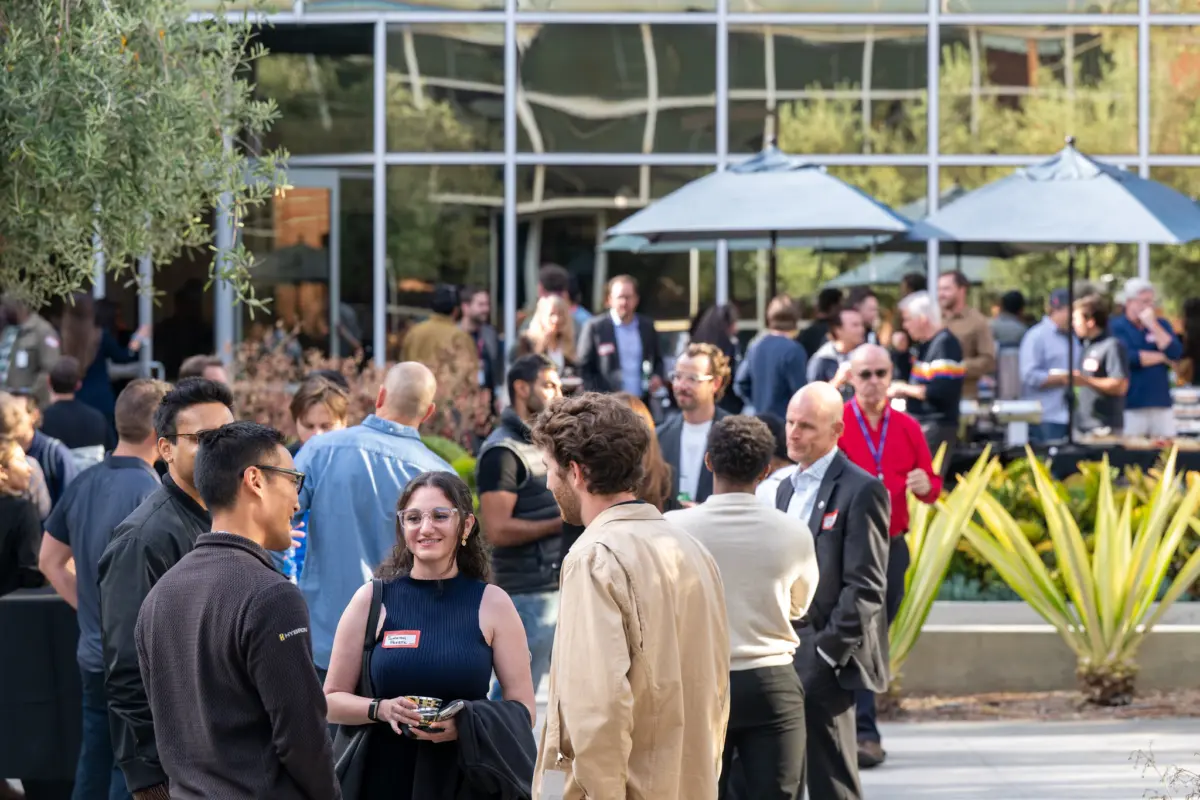
The most transformative conversations, high-stakes networking deals, and collaborative partnerships frequently happen away from the conference floor—unfolding across the city’s rooftop mixers, intimate sunrise breakfast meetups, high-energy founder pitch nights, and casual happy hours throughout San Francisco. This ecosystem of independent and officially sanctioned gatherings is formalized through the Disrupt Side Events program, which runs across the broader conference week from October 10 to October 16, 2026.
The side event ecosystem represents a democratized approach to tech conferencing. Rather than restricting networking to ticket holders inside controlled environments, TechCrunch empowers community builders, startups, investors, and corporate innovators to curate their own experiences. The application process is entirely open, free of charge, and devoid of heavy licensing restrictions. Anyone with a compelling theme, a viable venue, and an ambition to connect with the global tech elite can apply to host an official side event.
This comprehensive report breaks down everything you need to know about TechCrunch Disrupt 2026 Side Events: how the program operates, what kinds of events thrive, insights from previous years, and actionable strategies for submitting a standout application before the September 4 deadline.
Detailed Chronology and Event Timeline
To understand the scope of TechCrunch Disrupt 2026, one must view the conference not as a three-day sprint, but as a week-long technological takeover of San Francisco. The schedule is meticulously structured to maximize engagement for local and international participants alike.
The Week at a Glance: October 10 – October 16, 2026
- Pre-Conference Warm-Ups (October 10 – October 12):
As international delegations, out-of-town founders, and Tier-1 venture capitalists descend upon the Bay Area, early-bird side events set the tone. These often include welcome happy hours, localized ecosystem briefings, and informal walking tours or running clubs hosted by community accelerators and international trade delegations. - Main Stage & Expo Days (October 13 – October 15):
The core of TechCrunch Disrupt takes over Moscone West. Days are packed with keynote presentations, Startup Battlefield competitions, expert-led breakouts, and bustling exhibition floors. Evenings during these core dates pivot rapidly into high-profile corporate mixers, VIP penthouse receptions, and targeted after-hours networking sessions across downtown and the Financial District. - Decompression and Deep-Dives (October 16):
The final day of the side event window offers a chance for specialized roundtables, venture portfolio debriefs, and winding-down breakfast sessions before attendees depart the Bay Area.
Critical Deadlines and Milestones
- August 7, 2026 (11:59 p.m. PT): Early-bird ticket discount deadline (savings of up to $400 on core Disrupt passes).
- September 4, 2026: Official application deadline for hosts wishing to secure a spot in the Disrupt Side Events directory.
- Early October 2026: Finalization of schedules, publishing of the master side events calendar, and launch of promotional pushes by the TechCrunch editorial and marketing teams.
- October 10–16, 2026: Execution of the official Disrupt Side Events week across San Francisco.
Supporting Context & Metrics: The Anatomy of a Disrupt Side Event
The side events ecosystem is not merely a collection of random parties; it is a vital engine of community engagement. Analyzing historical data from past iterations of Disrupt reveals distinct patterns in how these events drive value for hosts and attendees alike.
The Numbers That Matter
- 10,000+ Participants: The captive audience pool consists of verified founders, early-stage investors, angel syndicates, journalists, and enterprise tech executives.
- Dozens of Formats: In previous years, the side event schedule has accommodated everything from elite 20-person closed-door roundtables to 300-person rooftop celebrations.
- Zero Application Fees: TechCrunch maintains an open-door policy, charging nothing to apply or to list an event on the official calendar, ensuring that scrappy early-stage startups can compete with established tech giants for mindshare.
Why Host a Side Event?
For emerging startups, boutique venture funds, and service providers, securing a booth in the main Expo Hall can require significant financial investment via sponsorship packages. While exhibition tables offer undeniable visibility, side events provide an alternative, highly cost-effective pathway to brand awareness.
By hosting an independent gathering, you achieve several strategic objectives:
- Direct Access to Qualified Leads: You bypass the noise of the exhibition floor, engaging attendees in an environment tailored specifically to your thesis, product, or community.
- Association with the Disrupt Brand: Official inclusion in the side event schedule places your company name, logo, and event description alongside the world’s leading tech conference.
- Flexibility in Design: Whether your goal is qualitative feedback on a new product, deal-flow generation for seed-stage investors, or brand affinity building, you control the agenda, guest list, and atmosphere.
Official Guidelines: How the Side Event Program Works
The mechanics of hosting an official Disrupt Side Event are designed to be streamlined. However, understanding the expectations of both TechCrunch and the broader attendee base is essential for a successful execution.
The Core Rules of Engagement
- Conceptual Freedom: Hosts maintain total autonomy over the theme. Past successes range from niche developer meetups and women-in-tech breakfasts to late-night generative AI debates and fitness-focused morning running clubs.
- Venue Independence: TechCrunch provides the platform and the promotional megaphone, but hosts are entirely responsible for securing their own venue, managing catering, handling security (if necessary), and funding any associated operational costs.
- Amplification by TechCrunch: Once approved, your event is integrated into the official Disrupt ecosystem resources. The TechCrunch team helps push your event in front of the thousands of professionals already traveling to San Francisco.
Designing Your Concept: Lessons from 2025
Reviewing the successful formats from TechCrunch Disrupt 2025 provides a clear blueprint for what resonates with the tech community:
- VIP Cloud & Infrastructure Mixers: Hosted by major enterprise cloud platforms, these targeted penthouse gatherings attracted senior engineering leaders and enterprise buyers looking to discuss scalability, security, and modern infrastructure.
- Founder Pitch Nights: Scrappy, high-energy evenings where pre-seed and seed founders pitched live to rotating tables of angel investors and micro-VCs. These events consistently generated high social media engagement and actionable deal flow.
- Wellness & Community Meetups: Recognizing the physical toll of high-intensity tech conferences, morning running clubs and yoga sessions provided a refreshing alternative to late-night drinking events, drawing health-conscious founders and investors.
- Late-Night Technical Debates: Focused panels addressing controversial or cutting-edge topics—such as the limits of artificial intelligence, regulatory bottlenecks, and autonomous systems—held in relaxed lounge settings well after the conference doors closed.
Future Outlook: The Evolution of Tech Conferences
The modern tech conference is undergoing a structural transformation. Attendees no longer travel simply to sit passively in an auditorium; they seek curated, high-value peer-to-peer interactions, authentic relationship building, and immersive cultural experiences within the host city.
By decentralizing portions of the programming through the Side Events initiative, TechCrunch has positioned Disrupt at the bleeding edge of this evolutionary trend. The conference acts as a magnet, drawing a massive density of global talent into a single urban center, while the community-driven side events act as the connective tissue that transforms a traditional trade show into a vibrant, collaborative festival of innovation.
As we look toward October 2026, the expectations for the side event ecosystem are higher than ever. With rapid advancements in artificial intelligence, biotechnology, climate tech, and quantum computing driving a new wave of entrepreneurial optimism, the conversations happening over breakfast coffee and rooftop cocktails in San Francisco this fall will likely lay the groundwork for the industry’s defining trends of the next decade.
Action Plan: Secure Your Place at Disrupt 2026
Whether you are planning to pitch your startup on the main stage, explore investment opportunities in the Expo Hall, or host a landmark side event that defines the week, the time to act is now.
- Apply to Host: If you have an innovative concept and a venue in San Francisco, submit your proposal via the official TechCrunch Disrupt Side Event Application Form before the hard deadline on September 4, 2026. For granular operational questions, reach out directly to the team at
[email protected]. - Explore Enhanced Visibility: For organizations seeking deeper integration, consider pairing a side event with an exhibit table in the Expo Hall or exploring formal partnership and sponsorship packages.
- Secure Your Admission: If you haven’t yet purchased your pass for the main conference, take advantage of the early registration window. You can save up to $400 on your ticket by using this exclusive registration link before the special discount expires at 11:59 p.m. PT on Friday, August 7.
Disclaimer: When you purchase conference passes or register for services through links in our articles, TechCrunch may earn a small commission. This affiliate monetization standard remains strictly separated from our editorial independence and reporting integrity.
